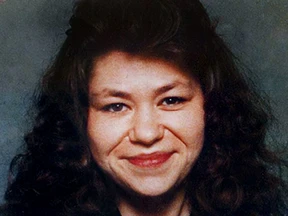
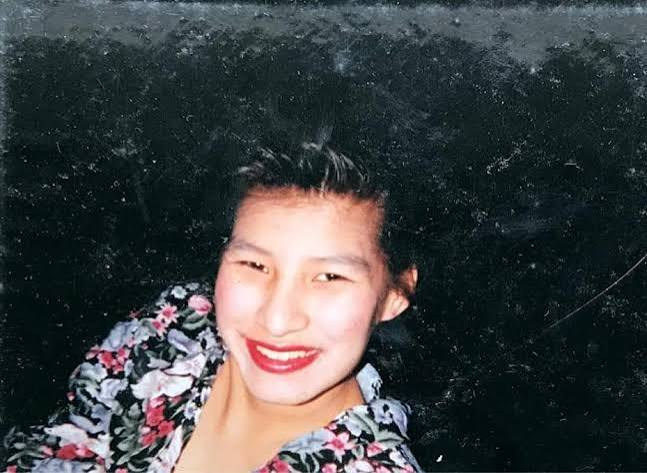
Known to her friends and family as Sylvia, Katie Sylvia Ballantyne was a woman with a kind heart and a love for the outdoors. A 40-year-old mother of four, she was the eldest of six siblings and a member of the Opaskwayak Cree Nation. Born in The Pas, Manitoba, she spent much of her life in Saskatoon, where she raised her children. Her family remembers her as a beautiful and generous person who would not hesitate to offer shelter to a friend in need.
She cherished outdoor cooking and picnics, and her mother fondly recalled how they would playfully argue over who got to eat the fish head at dinner. In her youth, Katie had been a cadet in Dundurn, Saskatchewan.
In the years leading up to her death, Katie moved to Alberta. The move was an attempt to hide a difficult period in her life from her family, as she was battling an addiction to crack cocaine and was involved in sex work in the Edmonton area. Her children, during visits, witnessed the violence she endured, particularly from a man she lived with. Despite her struggles, her inherent kindness remained a defining trait. Her mother, Victoria Merasty, described her daughter's giving nature, saying, "Whenever you didn't have a home, you didn't have a place to stay, if she saw you and she knew you, she'd take you home."
The last time anyone saw Katie was on April 27, 2003, as she left a friend's house in Edmonton's McCauley neighborhood. A friend, concerned for her welfare, officially reported her missing to the Edmonton Police Service on May 5, 2003. The search for Katie ended in tragedy a little over two months later. On July 7, 2003, a farmer discovered her skeletal remains in a rural field in Leduc County, a region south of Edmonton.
The discovery of Katie's body was not an isolated event. She was one of several women whose remains were found in the same rural area over a number of years, leading investigators to suspect the work of a serial predator. Her death became part of Project KARE, a Royal Canadian Mounted Police (RCMP) task force established in 2003 to investigate the growing number of murdered and missing vulnerable women in Alberta. The area where Katie and at least four other women were found became grimly known as the "Edmonton Killing Fields."
In the months following the discovery, police conducted extensive searches. In August 2003, Edmonton police canvassed the downtown area where Katie was known to spend time, putting up posters and speaking with people in hopes of generating leads. The following month, RCMP officers and community volunteers scoured 160 square miles of Leduc County for any additional evidence that might point to her killer.
Despite these efforts, Katie Ballantyne's murder remains unsolved, as do the cases of the other women found in the Leduc County area. Investigators have considered several suspects over the years, including men convicted of killing other women from Edmonton's streets, but no charges have ever been laid in connection with Katie's death. Her family believes that the investigation was hampered by societal prejudice against her lifestyle. The case remains open, a painful and unresolved chapter for her loved ones and a chilling mystery for the community.