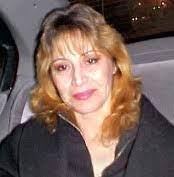
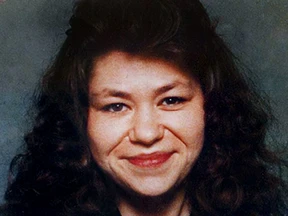
Funny, tenacious, and fiercely loyal, Edna Bernard was remembered by her siblings as their protector and best friend. A 28-year-old mother of six boys from the Whitefish Lake First Nation, a Cree community in Alberta, she was described as a kind, sweet woman who loved her children deeply and would do anything for them. Despite a challenging life that included time in foster care and the residential school system, which led to exposure to drugs and the sex trade, her love for her sons remained a
constant. Her aunt recalled Edna often asking her to look after her boys, a premonition perhaps born of a fear she seemed to carry with her.
The last time Edna was seen alive by anyone who knew her was on the evening of September 22, 2002. She had reportedly planned to go to an Edmonton nightclub with a friend. That friend, identified only as Darlene, later told Edna's mother that she saw her in a car with unknown people. In the days leading up to her disappearance, Edna had expressed a sense of foreboding to her aunt, confiding that she felt something was going to happen but was afraid to say more. Her family would never see her again.
On September 23, 2002, Edna’s body was discovered in a farmer’s field in Leduc County, a rural area south of Edmonton. The discovery revealed a particularly brutal and horrifying end to her life. She had been strangled, and her body was set on fire. Her mother, Cecile Nelson, also shared the painful detail that her daughter's fingers had been broken or "hammered out." Despite the horrific nature of the crime scene, no arrests have ever led to a conviction in her murder.
The investigation into Edna's death is handled by the RCMP's special unit, Project KARE, which was formed in 2003 to investigate cases of missing and murdered vulnerable persons, many of whom are Indigenous women. Her case is one of several that have led investigators to suspect a serial predator may have been active in the Edmonton area for years. The bodies of at least four other women—Katie Sylvia Ballantyne, Corrie Ottenbreit, Delores Dawn Brower, and Amber Tuccaro—were found in the same rural region of Leduc County between 2003 and 2015. These unsolved cases, often referred to as the "Edmonton Killing Fields," share similarities: the victims were often living high-risk lifestyles, and their remains were left in isolated fields or wooded areas.
While police have considered the possibility that a single killer is responsible for several of the deaths, they have never officially confirmed a definitive link between all the cases. Over the years, investigators have looked at suspects, including convicted killer Thomas Svekla, but no one has been charged specifically with Edna Bernard's murder. The lack of progress has been a source of ongoing pain and frustration for Edna's family, who have said they do not have regular contact with the police about the case.
More than two decades later, Edna Bernard's murder remains unsolved, a cold case among many that haunt the communities around Edmonton. Her six sons grew up without their mother, and her siblings are left without their protector. Her sister Caroline remembered her as "the best sister anyone can have" and has publicly expressed her hope that they will one day catch the person responsible. The family's quest for answers continues, a painful vigil for a woman remembered for her fierce love and loyalty, whose life was stolen far too soon.