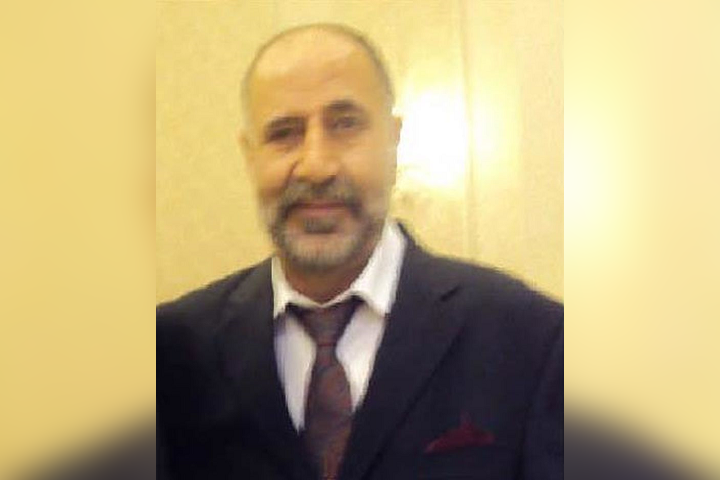
On July 13, 1991, Dennis Kerr, a 27-year-old male patient at the Brockville Psychiatric Hospital in Ontario, was brutally murdered on the hospital grounds. His death came at the hands of a fellow patient, Peter Woodcock, a notorious serial killer who was on his first unsupervised day pass in over three decades. The killing exposed deep flaws in the psychiatric and justice systems, leaving a legacy of questions about rehabilitation and public safety.
Dennis’s life was tragically
intertwined with that of Woodcock, a man who had committed his first murders as a teenager in the 1950s. After killing three children in Toronto between 1956 and 1957, Woodcock was found not guilty by reason of insanity and committed to a maximum-security psychiatric facility. Over the years, he was transferred to less restrictive institutions, eventually arriving at the medium-security hospital in Brockville. By 1991, having legally changed his name to David Michael Krueger, the 52-year-old had convinced his psychiatric team that he had made significant progress.
The day of the murder was a catastrophic failure of institutional judgment. Hospital staff granted Woodcock a day pass, allowing him to be escorted not by a professional, but by Bruce Hamill, a former patient from a maximum-security institution with his own history of violence. Before signing Woodcock out, Hamill, at Woodcock's direction, visited a hardware store and purchased a plumber’s wrench, a hatchet, and knives.
Woodcock had arranged to meet Dennis in a wooded area on the hospital property, reportedly luring him with the promise of lending him $500. Within an hour of his release, the plan turned violent. Woodcock attacked Dennis, striking him in the head with the pipe wrench and beating him into unconsciousness. Both Woodcock and Hamill then used the hatchet and knives to kill him. Some accounts suggest Woodcock's motive was tied to a personal obsession, claiming he was in love with Dennis, who had rejected his advances.
After the horrific attack, Woodcock, whose eyesight was poor, walked to a nearby police station and turned himself in. Hamill was discovered unconscious from a drug overdose near Dennis’s body. The murder sent shockwaves across Canada, raising alarms about the management of violent offenders within the mental health system and the criteria for granting them freedom.
The investigation left no doubt as to who was responsible. Following the murder of Dennis Kerr, Peter Woodcock was returned to the maximum-security Oak Ridge division of the Penetanguishene Mental Health Centre. He was never criminally convicted for Dennis's death, as he was again deemed not criminally responsible. He would spend the rest of his life incarcerated in psychiatric facilities. In later interviews, Woodcock showed a chilling lack of remorse, telling a documentarian that the day he killed Dennis was the best day of his life.
Peter Woodcock, the man known as "the serial killer they couldn't cure," died of natural causes in custody on his 71st birthday, March 5, 2010. His accomplice, Bruce Hamill, was also returned to the psychiatric system. The case led to inquests and recommendations concerning the release of dangerous offenders, but for Dennis Kerr, a young man in what should have been a place of safety, these changes came too late. His death remains a stark reminder of the vulnerability of patients and the devastating consequences of a system’s failure.