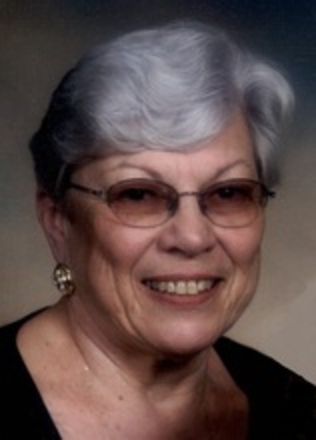
At 95 years old, Helen Matheson was a woman of faith and family. A resident of Woodstock, Ontario, she was a widowed mother to two sons, a loving grandmother to three grandsons, and a doting great-grandmother to four. For many years, Helen was a cornerstone of her community in the nearby village of Innerkip, where she was a longtime, active member of the local United Church and its United Church Women group.
After a long and full life, she was living at the Caressant Care nursing home in Woodstock, where her family trusted she would be safe.
That trust was shattered on October 26, 2011, the day Helen’s life was stolen from her. The person responsible was not a stranger who broke in, but a registered nurse entrusted with her care. Elizabeth Tracey Mae Wettlaufer, who also went by the name Bethe Parker, injected the 95-year-old with a fatal dose of insulin. Helen Matheson was the fourth of eight elderly patients this healthcare worker would murder in a killing spree that spanned from 2007 to 2016.
For years, the deaths were not seen as suspicious, and families like the Mathesons believed their loved ones had died from natural causes. The truth only began to emerge in September 2016, when Wettlaufer checked herself into a psychiatric hospital in Toronto and confessed to the medical staff. This led to a formal police interview in which she provided a chilling, two-and-a-half-hour videotaped confession, detailing her crimes. She told investigators that before killing, she would feel a “red surge” of anger, followed by a “laughing feeling” after the act was complete. Regarding Helen, Wettlaufer claimed she felt it was "her time to go" and recalled buying her blueberry pie and ice cream shortly before murdering her.
The investigation revealed a horrifying pattern of abuse and a systemic failure to stop a serial killer operating in plain sight. Wettlaufer had a history of substance abuse and medication-related errors at work, and had even been fired from Caressant Care in 2014 after killing seven residents there. Shockingly, she had confessed her crimes to several people over the years—a former boyfriend, a pastor, and a lawyer, among others—none of whom reported her to the police. An inquiry later concluded that had Wettlaufer not confessed herself, she likely would have never been caught.
On June 1, 2017, Elizabeth Wettlaufer pleaded guilty to eight counts of first-degree murder, four counts of attempted murder, and two counts of aggravated assault. The guilty plea avoided a trial, but a sentencing hearing gave victims' families a chance to speak. Wettlaufer was sentenced to eight concurrent life terms in prison, with no possibility of parole for 25 years.
The case left deep scars on the community and raised serious questions about the safety of Ontario's long-term care system. For Helen Matheson's family, the revelations brought profound grief and a search for answers. Speaking after the public inquiry into the crimes released its findings, her son, John Matheson, expressed his desire for meaningful change. "All I can hope for is that what is recommended in the report becomes part of law," he said. Helen is remembered by her family not as a victim, but as the beloved matriarch who was predeceased by her husband, Carl, and one of her sons, Neil.