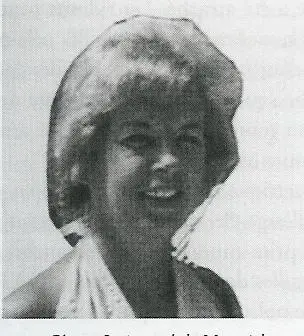
For nearly two decades, the brutal murder of Hazel Scattolon remained a cold and painful mystery for her family and investigators in Quebec. The 52-year-old mother was found in her apartment in the quiet community of Town of Mount Royal on March 21, 1981. The scene was one of horrific violence; she had been sexually assaulted and viciously stabbed to death, with some reports stating she sustained as many as 27 wounds.
The viciousness of the attack left a lasting scar on the community, but with the limited forensic technology of the era, the trail for her killer quickly went cold.
For years, there were no answers. The case file on Hazel’s death gathered dust, one of several unsolved homicides in the Montreal area that left police with few leads. Investigators had collected evidence, including a rape kit, but without a suspect and the means to effectively use DNA, the physical traces left at the scene offered no immediate path to justice. All her family knew was that a beloved mother had been stolen from them in the most violent way imaginable, with no one held accountable for the crime.
The break in the case came 18 years later, in a way no one could have predicted. In December 1999, police in Ontario arrested a man named William Patrick Fyfe for a string of recent, brutal murders of women in the Montreal area. As news of the arrest spread, Hazel Scattolon's son saw a picture of the suspect and felt a chilling sense of recognition. He contacted police with a critical piece of information: the man on the television screen, William Fyfe, was a handyman who had done painting work in his mother’s home shortly before she was killed.
This tip proved to be the key that unlocked the decades-old case. Investigators reopened Hazel’s file and re-examined the evidence collected in 1981. With the advent of modern DNA analysis, the biological material from the original rape kit was tested and compared to Fyfe’s genetic profile. The results were conclusive: the DNA matched. The handyman who had been inside her home was the man who had taken her life. The crime was finally and definitively linked to a man who had been hiding in plain sight for years.
William Patrick Fyfe, known as "The Killer Handyman" and "The Plumber," was a serial predator who terrorized the Montreal area for two decades, from 1979 to 1999. He often used his work as a handyman to gain access to his victims' homes, where he would subject them to horrific violence that included bludgeoning, strangulation, and stabbing. While living an outwardly normal life, Fyfe was responsible for a reign of terror that targeted women who were alone and vulnerable.
In September 2001, William Fyfe pleaded guilty and was convicted of five counts of first-degree murder, including the killing of Hazel Scattolon. The other victims in his conviction were Anna Yarnold, 59, Monique Gaudreau, 46, Teresa Shanahan, 55, and Mary Glenn, 50, all murdered in a violent spree in 1999 that ultimately led to his capture. A fingerprint left at Mary Glenn's home was the crucial piece of forensic evidence that first identified Fyfe as a suspect. After his conviction, Fyfe confessed to at least four other murders committed between 1979 and 1989. He was sentenced to life in prison with no possibility of parole for 25 years. The resolution of Hazel Scattolon's case, long after hope had faded, was a testament to a son's memory and the advancement of forensic science, finally bringing a measure of justice to a family that had waited so long for answers.