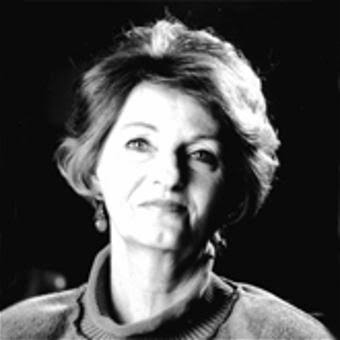
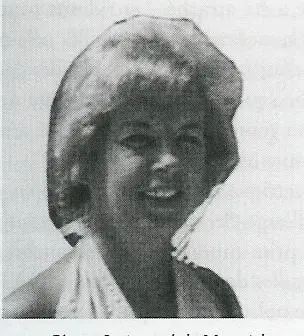
On the evening of May 9, 1979, the streets of Verdun, a borough of Montreal, Quebec, were shattered by a violent explosion. When the smoke cleared, two people were found dead, victims of a meticulously planned assassination. One was Donald McLean, a member of the Outlaws motorcycle gang. The other was a woman named Carmen Piche, his girlfriend, who found herself in the wrong place at the deadliest possible time.
The blast was the work of one of Canada’s most prolific and feared killers, a man who would later admit to a staggering number of murders.
Carmen’s death was a brutal consequence of the violent biker wars that plagued Montreal during the 1970s and 80s. Her boyfriend, McLean, was the intended target of the bomb, a casualty in the ongoing conflict between the Hells Angels and the rival Outlaws gang. The architect of the attack was Yves Trudeau, a member of the Hells Angels known by the menacing nicknames "Apache" and "The Mad Bomber." Trudeau had planted a powerful explosive on McLean’s Harley-Davidson motorcycle. Carmen was with McLean when the bomb detonated, killing them both instantly.
The investigation into the bombing would eventually unravel a horrifying tapestry of violence orchestrated by Trudeau. For over a decade, he acted as the Hells Angels' top assassin, a contract killer whose services were sometimes loaned out to other organized crime factions. His methods were diverse and ruthless, ranging from bombings and shootings to beatings and strangulation. He was a central figure in multiple gang conflicts, leaving a trail of bodies across the province of Quebec. For years, he evaded justice, his crimes fueling an atmosphere of fear.
The breakthrough in the case, and dozens of others, came when Trudeau himself decided to talk. In 1985, facing internal gang conflicts and fearing for his own life, he turned police informant. In a stunning deal with the Crown, Trudeau confessed to participating in the killings of 43 people between 1973 and 1985, including Carmen Piche. His testimony provided an unprecedented look inside the brutal world of outlaw motorcycle gangs and their bloody wars for territory and control.
In exchange for his cooperation, Yves Trudeau pleaded guilty to 43 counts of manslaughter and received a sentence of life imprisonment, but with the controversial eligibility for parole after just seven years. The deal, which spared him from first-degree murder charges, sparked public outrage. While in prison, his violent tendencies did not cease; he was later convicted on separate sexual assault charges, which added four years to his time behind bars.
Trudeau was eventually granted parole in 1994 and given a new identity. However, his freedom was short-lived. In 2004, he was arrested again for sexually assaulting a young boy. Diagnosed with cancer, Yves Trudeau died in prison in 2008, closing the final chapter on one of the most violent criminal careers in Canadian history. For Carmen Piche, an innocent woman caught in the crossfire of a war she had no part in, justice was complex and delayed, her life tragically cut short by a man who killed for a living.