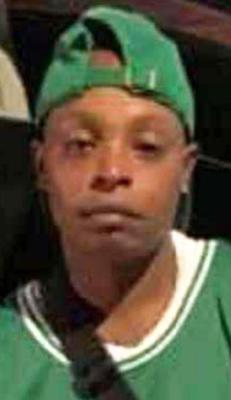
On a cold winter day in Chicago, the body of 23-year-old Precious Smith, a Black woman, was found in an alley on January 13, 2005. An autopsy would later confirm that she had been strangled to death, a finding that marked the beginning of a homicide investigation that would remain unsolved for years, eventually becoming part of one of the city’s most disturbing patterns of violence.
Her death was not an isolated incident but one of dozens that pointed to the terrifying presence of a potential serial killer, or killers, preying on women in the city.
Precious’s case is one of 51 unsolved homicides of women in Chicago between 2001 and 2018 that were identified by the Murder Accountability Project, a nonprofit organization that analyzes violent crime data. This cluster of killings, attributed to a figure dubbed the "Chicago Strangler," involved women who were killed by strangulation or asphyxiation. The victims were predominantly Black women, and their bodies were often left in desolate, overlooked places: alleys, vacant lots, abandoned buildings, and garbage cans.
The murders cast a shadow of fear over the city's South and West Sides, where most of the victims were found. The killer’s method was chillingly consistent. Nearly all the women were strangled or smothered, their bodies disposed of with a coldness that suggested a calculated effort to remain in the shadows. The sheer number of similar, unsolved cases created a grim tapestry of loss and unanswered questions, leaving communities feeling both vulnerable and ignored.
For years, activists and family members of the victims urged the Chicago Police Department to acknowledge the pattern and investigate the slayings as the work of a serial killer. While officials were initially hesitant to publicly link the cases, the pressure from organizations like the Murder Accountability Project and extensive media coverage eventually led to the formation of a task force to re-examine the 51 unsolved cases. Despite this renewed focus, the investigation has been hampered by a lack of evidence in many of the decades-old files.
Tragically, while Precious Smith is remembered as a victim within this horrific pattern, very little is publicly known about the life she lived. There are no readily available news articles detailing her personality, her dreams, or the family that mourned her. Like many of the other women killed in this series of crimes, her personal story has been largely lost, overshadowed by the brutal manner of her death and her inclusion on a list of unsolved cases. This silence is a painful part of the tragedy, reflecting how the lives of marginalized women are too often overlooked.
Today, the murder of Precious Smith remains unsolved. Her killer has never been brought to justice, and her name is one of many that represents a long and frustrating search for answers. The investigation into the Chicago Strangler killings is ongoing, but for the families of the 51 women and the communities they came from, the lack of resolution is a constant source of pain. Precious’s case is a stark reminder of a life cut short and of a city still haunted by the ghosts of its forgotten women.