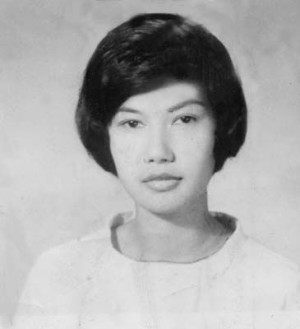
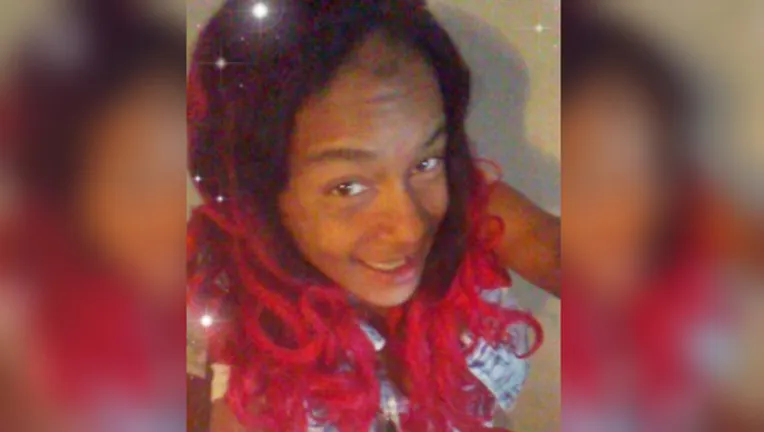
On March 28, 2001, the body of Charlotte Day, a 42-year-old Black woman, was discovered in a vacant lot in Chicago, Illinois. She had been strangled. Her death marked another entry in a terrifying and long-running series of murders that has haunted the city for nearly two decades. Charlotte, who was also known as Charlotte Woods, became one of more than 50 women whose unsolved killings are believed to be the work of one or more serial offenders referred to as the "Chicago Strangler."
Her
body was found at 3432 W. Monroe on the city's West Side, a desolate location that became a crime scene and a place of remembrance for a life cut short. Details about Charlotte’s personal life, her family, her dreams, and the path that led her to that vacant lot are not publicly known. Like many of the women in this cluster of homicides, her story has been largely defined by the brutal manner of her death, rather than the richness of her life. This lack of available information is a tragic theme in these cases, leaving a void where a personal history should be.
The investigation into Charlotte's murder quickly became part of a much larger and more complex puzzle. Between 2001 and 2018, at least 75 women were strangled or asphyxiated in Chicago, with the vast majority of cases remaining unsolved. The Murder Accountability Project, a nonprofit organization, identified a potential cluster of 51 of these cases, including Charlotte's, that share disturbing similarities. The victims were predominantly African American, and their bodies were often discarded in alleys, garbage bins, abandoned buildings, and vacant lots, primarily on the city's South and West Sides.
The methods were chillingly consistent: strangulation or asphyxiation. The victims came from all walks of life, but many were living on the margins of society, facing challenges that made them more vulnerable. Their ages ranged from 18 to 58. They were mothers, daughters, and sisters whose deaths received little media attention and, for years, no unified public acknowledgment from law enforcement that a serial predator might be at work. The Chicago Police Department has historically been reluctant to officially link the slayings, stating they have not found definitive evidence of a single killer.
The victims in this series are more than statistics. Angela Ford, a 32-year-old mother of two, was attacked in 1999 after leaving home to pick up her children's report cards. She was found sexually assaulted, beaten, and strangled, and remained in a coma for a year and a half before dying on January 4, 2001, just weeks before Charlotte was killed. In 2003, Nancy Walker, a 55-year-old entrepreneur and dance teacher, was found dismembered in garbage bags 63 days after she was reported missing. In 2007, the body of Hazel Lewis, a 52-year-old mother and grandmother known for her kindness to the unhoused, was found strangled and burning in a trash can.
These women, like Charlotte Day, were victims of a prolonged wave of violence that has left families shattered and a community demanding answers. Despite pressure from activists and some renewed investigative efforts over the years, including a review of the 51 cases announced in 2019, justice has remained elusive for most. No arrests have ever been made in connection with Charlotte Day's murder.
Today, Charlotte's case remains cold, one of dozens of unsolved strangulations that expose a devastating pattern of violence against women of color in Chicago. Her name is kept alive by advocates and journalists who refuse to let these women be forgotten. While the specific details of her 42 years of life are not part of the public record, the circumstances of her death place her firmly within a sisterhood of victims whose cases cry out for resolution and whose lives mattered far more than the tragic way they ended.