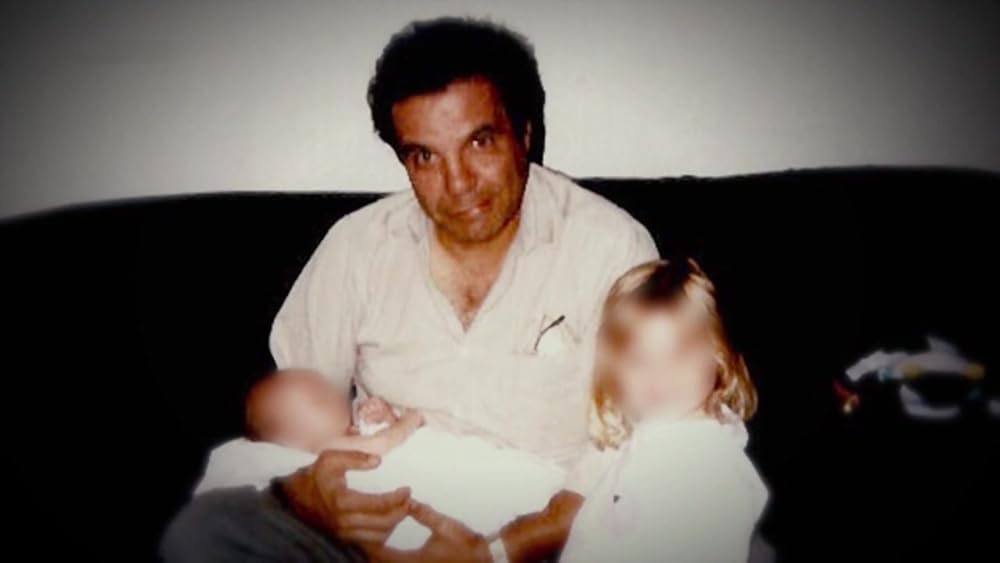
Meyer Muscatel was a man looking for a new direction in life. At 58 years old, the successful Sherman Oaks, California, real estate developer was a man of deep spiritual values who was considering a change. According to his daughter, he hoped to soon leave the world of property development behind and dedicate his time to community outreach. A devout Jew and a father to two children, he already worked closely with disadvantaged youth, a passion he hoped to make his life's focus.
But in the fall of 2001, a business meeting that promised a new opportunity would instead bring a brutal and calculated end to his life.
On October 1, 2001, Meyer, a male, went to what he believed was a meeting to discuss a real estate deal. He was lured to a home in Encino by a man named Iouri Gherman Mikhel, who was posing as a potential investor. It was a trap. Inside the house, Mikhel and his partner, Jurijus Kadamovas, were waiting. They ambushed Meyer, beating and binding him. The men were part of a ruthless kidnapping-for-ransom ring that targeted affluent business people in the Los Angeles area. They took Meyer's wallet and credit cards, attempting to access his bank accounts.
When they quickly discovered his accounts had been frozen and they would not be able to get any money, their plan shifted from extortion to murder. The kidnappers injected Meyer with a powerful sedative to subdue him. Then, while he was held down, Mikhel suffocated him by placing a plastic bag over his head. Their motive was not just profit, but a chilling determination to eliminate any witness. After his death, they drove his body for hours, deep into the foothills of the Sierra Nevada.
A few days later, a father and son on a fishing trip made a grim discovery in the New Melones Reservoir, a large lake near Yosemite National Park. They had found a body floating near the Parrotts Ferry Bridge. It was Meyer Muscatel. His hands were bound, and his killers had weighted his body down before callously tossing it over the side of the bridge. The discovery of his remains was the first indication of a string of horrific crimes that would terrorize the region.
Meyer was the first of five people killed by Mikhel and his crew over a violent four-month span. The investigation, led by the FBI, slowly untangled the conspiracy as more victims were found in the same reservoir. Investigators traced ransom calls and electronic payments, eventually leading them to Mikhel, Kadamovas, and their accomplices. Cellphone records placed the men near the New Melones Reservoir on the days each of the five victims disappeared. Evidence found at their homes, including bloodstained shoes that matched a print left on the bridge, solidified the case against them.
In January 2007, a federal jury found Iouri Gherman Mikhel and Jurijus Kadamovas guilty of multiple charges, including hostage taking resulting in death and conspiracy. The judge who sentenced them called the murders brutal and merciless. Both men were initially sentenced to death for their roles in the five killings. Several other members of their kidnapping ring received lengthy prison sentences for their involvement.
The legal proceedings provided a measure of justice, but could not erase the profound loss felt by the victims' families. For years, Mikhel and Kadamovas remained on federal death row. However, their sentences were ultimately commuted to life in prison without the possibility of parole. They remain incarcerated, having been held accountable for a cold-blooded scheme that cut short the lives of five innocent people, including a man who simply wanted to spend his remaining years helping others.