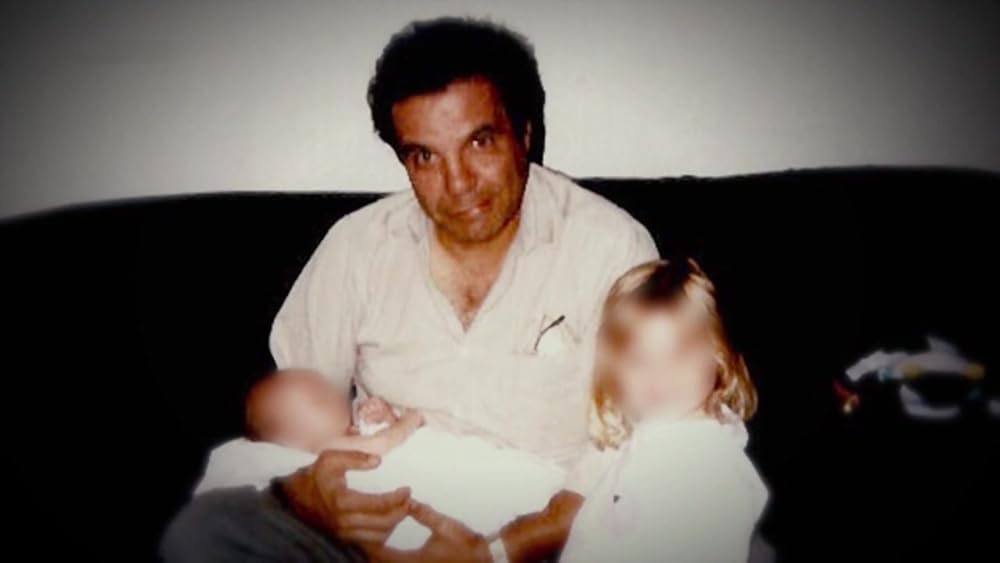
On Sunday, July 2, 2000, fifty-two-year-old George Albert Tapia died in the San Fernando Valley community of Sherman Oaks, California. Tapia, a Latino man, lost his life under circumstances that resulted in his death being officially designated a homicide by county authorities. Details surrounding the fatal encounter, however, have remained largely shrouded in silence from the beginning, leaving behind an enduring mystery for investigators and his community.
The death occurred in Sherman Oaks, an expansive suburban neighborhood situated along the northern slopes of the Santa Monica Mountains. Known for its tree-lined residential streets, prominent commercial stretches along Ventura and Sepulveda boulevards, and proximity to major commuter routes like the San Diego Freeway and the Ventura Freeway, Sherman Oaks generally experiences lower rates of violent crime than many other sectors of greater Los Angeles. In the year 2000, when Los Angeles as a whole recorded hundreds of homicides across its vast jurisdiction, a killing within Sherman Oaks stood out as an uncommon and unsettling event for area residents.
Despite the serious classification of his death as a homicide, authorities did not release specific details regarding the exact street location where Tapia was attacked, nor the precise mechanism of his death. The official cause was formally cataloged as other, indicating that standard categories such as gunfire or blunt force trauma were either withheld by investigators or could not be neatly captured in early public reporting. Detectives from the Los Angeles Police Department assumed responsibility for the investigation, attempting to piece together his final hours and determine who crossed his path on that summer day.
In the days and months following the discovery of Tapia's death, no public announcements emerged describing potential suspects, getaway vehicles, or identifiable motives. Without immediate eyewitness accounts or identifiable leads shared through media appeals, the case began to slip out of the public eye. LAPD homicide investigators frequently face immense obstacles in cases where victims are found without immediate witnesses or where physical evidence does not quickly match existing profiles in regional law enforcement databases.
Decades have elapsed since George Albert Tapia lost his life, and the passage of time has only deepened the quiet surrounding his case. Generations of detectives have cycled through the Los Angeles Police Department's Valley bureau, while the files associated with the unsolved homicides of 2000 remain open cold cases. With no arrests ever made and no charges filed in connection with his death, authorities continue to rely on the hope that someone who holds crucial knowledge about what happened on July 2, 2000, will finally come forward to provide long-overdue answers.