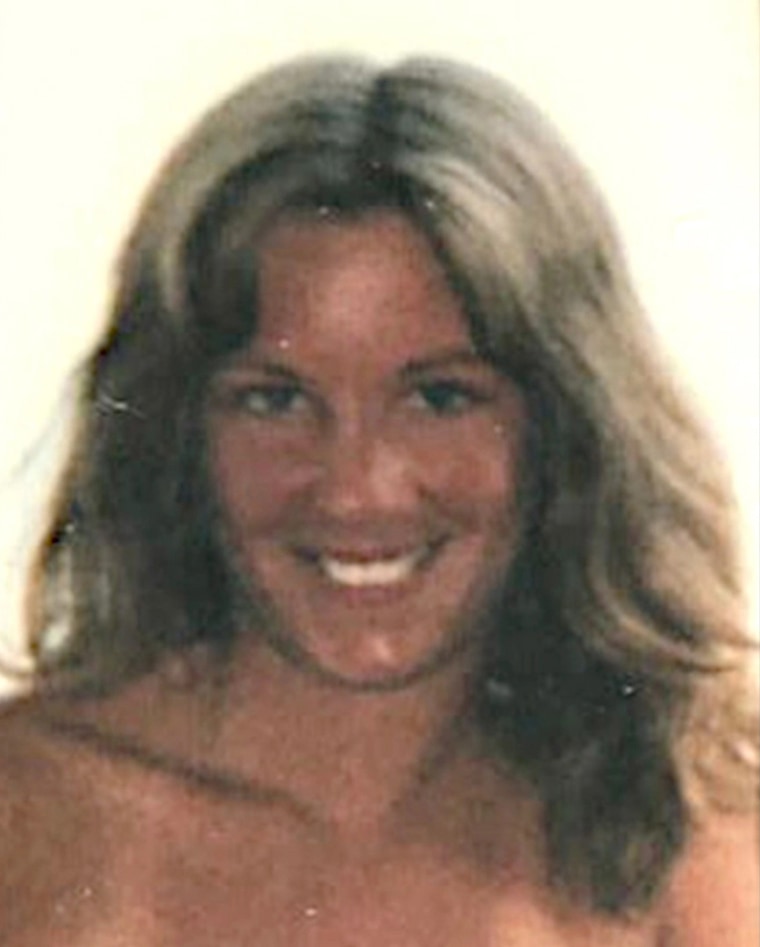
In the summer of 1926, a shadow of fear fell over Tampa, Florida, as a series of brutal slayings terrorized the community. Among the victims of this wave of violence was 16-year-old Eva Rowell, a young woman whose life was cut short in a horrific act that also claimed her family. The crime was not an isolated incident but part of a killing spree that would leave an indelible mark on the city’s history, perpetrated by one of Florida's early serial killers, Benjamin Franklin Levins.
The
morning of June 28, 1926, began with an unsettling silence at the Rowell family home at 116 South Nebraska Avenue. A neighboring housewife, sensing something was amiss when she saw no signs of activity, approached the house and made a gruesome discovery. Inside, four people had been brutally murdered, hacked to death with an axe. The victims were Eva; her father, 45-year-old grocery clerk Bee Dee Rowell; her 94-year-old grandmother, Caroline Rowell; and a 40-year-old mechanic named Charles Alexander, who was a tenant rooming with the family.
The massacre at the Rowell home sent shockwaves through Tampa. Rumors quickly began to circulate about a possible motive. It was said that Bee Dee Rowell had been telling people that a man arrested for a previous murder, that of a woman named Emma Hilliard, was innocent. Hilliard had been found decapitated two months earlier, and her ex-husband was Benjamin Levins. Some believed Bee Dee knew the identity of the real killer and was silenced before he could go to the police. Investigators initially questioned several suspects, but the case grew cold, leaving the city on edge.
The reign of terror continued for nearly a year until May 1927, when another family, the Merrells, was found massacred in their home. The investigation into this new atrocity soon led police to Benjamin Franklin Levins, a 38-year-old itinerant worker. After his arrest, Levins, a native of a small Everglades settlement called Bullfrog, confessed to the Merrell murders. He also confessed to the Rowell family killings, though his stories wavered. In one version, he claimed he had gotten into a fight with the tenant, Charles Alexander, over a girl and then killed the entire family so there would be no witnesses. In another, he said he was angry at the family for a "dirty trick" they had played on him.
Levins's trial was held in Orlando in July 1927. His defense team argued that his confessions had been coerced by police who threatened to turn him over to an angry lynch mob that had formed outside the Tampa jail. Despite his attempts to blame an accomplice and claim self-defense in the Merrell case, Levins was convicted of five counts of first-degree murder for the deaths of the Merrell family and sentenced to death. His accomplice was later acquitted.
While he was formally convicted for the Merrell massacre, investigators believed Levins was responsible for at least nine murders, including the four at the Rowell home. His violent rampage, carried out with an axe and a railroad spike maul, had come to an end. On November 22, 1927, Benjamin Franklin Levins was executed in the electric chair at the Florida State Prison in Raiford. He maintained his innocence to the end and was buried in an unmarked grave on the prison grounds. The brutal murder of Eva Rowell and her family was officially solved, but the memory of the fear that gripped Tampa during that deadly year would linger for decades.