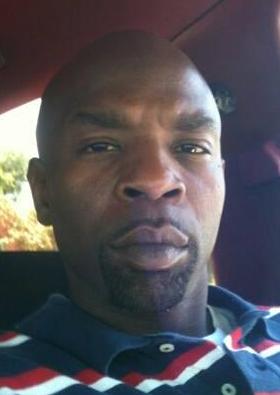
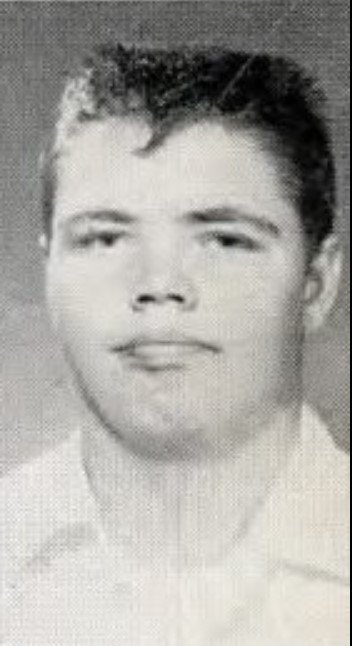
Justin Delbert Wiles was a kind-hearted and industrious 13-year-old boy living in Tulsa, Oklahoma, during the summer of 1989. Born on March 30, 1976, Justin was known for his willingness to do odd jobs around the neighborhood, like mowing lawns, to earn his own money. Despite having hearing and speech impediments that required him to have surgical scars behind his ears, he was a typical teenager who enjoyed movies and video games.
His trusting nature and eagerness to help would tragically place him in the path of a predator living just a few houses away.
On June 20, 1989, Justin disappeared. He was last seen in the early afternoon with his neighbor, Wayne Henry Garrison, a man who ran an auto body shop nearby. Witnesses reported seeing Justin getting into Garrison's car, with one person overhearing Garrison inviting the boy to go fishing. When Justin didn't return home, his family began a frantic search, but initial police efforts treated it as a possible runaway case. Four days later, on June 24, a fisherman at Lake Bixhoma, about 30 miles away, made a horrifying discovery: a human hand sticking out of the mud on the lake's bank. A wider search of the area uncovered more of Justin's dismembered remains.
Suspicion quickly fell on Wayne Henry Garrison. He was the last person seen with Justin, and witnesses identified him and his vehicle. However, a lack of direct physical evidence at the time prevented police from making an arrest. Garrison gave conflicting alibis about where he was fishing that day and soon after moved his family to North Carolina, leaving the investigation in Tulsa to go cold for nearly a decade. The case haunted investigators who were aware of Garrison's disturbing past. As a juvenile, he had killed two other children. In 1972, at age 13, he asphyxiated his 4-year-old cousin. Then, in 1974, while on a pass from a psychiatric hospital, he suffocated a 3-year-old boy, for which he served a short sentence for second-degree manslaughter.
The break in Justin's case came years later. While Garrison was imprisoned in North Carolina for unrelated crimes, including giving prescription painkillers to a minor and abduction, Tulsa cold case detectives reignited their investigation. They worked tirelessly against the clock as Garrison's release date approached. Using advancements in forensic technology, they exhumed Justin's body in August 1999 to re-examine evidence. Investigators had collected a bite mark from Garrison's body while he was incarcerated, and a comparison with Justin's dental records provided a conclusive match. On October 22, 1999, just minutes after being released from prison in North Carolina, Garrison was arrested and charged with the first-degree murder of Justin Wiles.
Wayne Henry Garrison's trial began in November 2001. His defense attorneys argued he was a scapegoat due to his past and even tried to point to another suspected serial killer, but the evidence against Garrison was compelling. After six hours of deliberation, the jury found him guilty of first-degree murder. In January 2002, he was sentenced to death. However, the sentence was overturned on appeal in 2004 due to ineffective legal counsel during the sentencing phase.
Rather than face a new sentencing trial and a possible second death sentence, Garrison accepted a plea deal in January 2007. His death sentence was commuted to life in prison without the possibility of parole. At the hearing, Garrison maintained his innocence, telling the judge, "I did not kill Justin Wiles," and offering an apology only for the family's loss. Justin's mother, Dorothy Farrar, expressed her relief with the outcome, satisfied that Garrison would die in prison and never have the chance to harm another child. Wayne Henry Garrison, a serial killer responsible for the deaths of at least three children, remains incarcerated for his crimes.