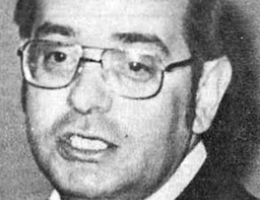
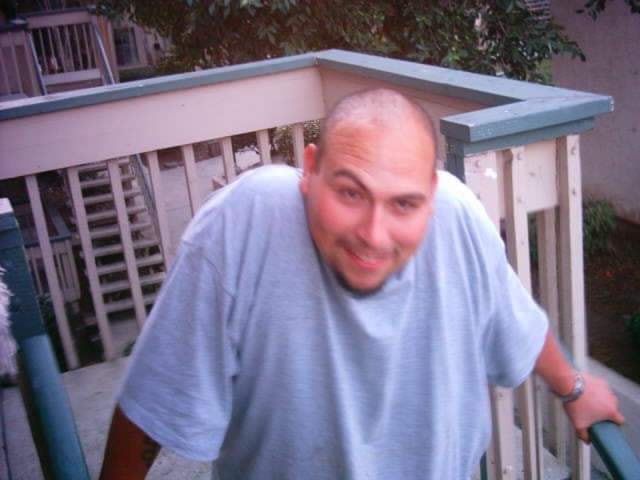
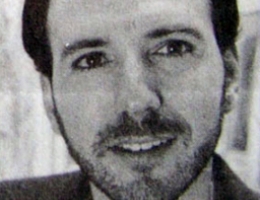
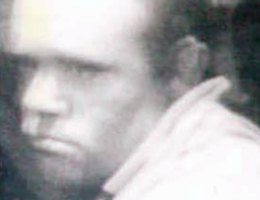
Charles Allen “Charlie” Keever was a 13-year-old boy from San Diego, California, known for his love of his basset hounds and taking long walks. A companionable and trusting child, Charlie was the youngest of three siblings. On Saturday, March 27, 1993, he set out for a bike ride with his friend, 9-year-old Jonathan Sellers. Charlie was friends with Jonathan's older brother, but on that particular day, Jonathan joined him instead.
The boys were seen at an arcade, a pet store, and a hamburger stand before heading toward a bike path along the Otay River, a familiar area near their blue-collar Palm City neighborhood. It was the last time they were seen alive.
When the boys didn't return home, their families began a desperate search. Two days later, on March 29, a jogger discovered a gruesome scene in a thicket of brush and castor bean plants along the riverbank. The boys' bodies were found inside a crude, igloo-style fort made of tumbleweeds. They had been bound, gagged, tortured, and sexually assaulted before being strangled. The brutality of the crime shocked even the most seasoned detectives, who described it as one of the worst they had ever encountered. The discovery launched a massive investigation that would haunt the community and the boys' families for years.
The case went cold for eight long years, leaving the families in an agonizing state of uncertainty. Charlie's mother, Maria Keever, visited the site of her son's murder every day, her grief so profound she once considered taking her own life there. "Charlie was my whole life," she told a reporter. "Sometimes it hurts so much to wake up, I just want to stay asleep." The San Diego Police Department pursued every lead, but the killer left behind little evidence. The case remained a painful, unsolved mystery, a source of fear and sorrow for the entire community.
A breakthrough finally came in March 2001, thanks to advancements in DNA technology. Investigators re-examined evidence collected from the scene, including cotton swabs from Charlie's mouth and cigarette butts found in the fort. The DNA profile developed from this evidence was entered into a statewide database of convicted offenders. The search returned a match: Scott Thomas Erskine, a man with a long and violent criminal history. At the time, Erskine was already in prison, serving a 70-year sentence for kidnapping and raping a woman just a few months after he had murdered the two boys.
Erskine was charged with two counts of first-degree murder with special circumstances of torture and sexual assault. His trial began in 2003, with the mothers of both boys attending every day. In October 2003, a jury found him guilty. The subsequent penalty phase ended in a hung jury, with one juror holding out against the death penalty. A second penalty phase was held, and in April 2004, a new jury unanimously recommended death. On September 1, 2004, a judge sentenced Scott Erskine to be executed for the murders of Charles Keever and Jonathan Sellers.
While awaiting his trial for the boys' murders, Erskine's DNA also linked him to the 1989 rape and murder of 26-year-old Renee Baker in Palm Beach, Florida. He pleaded guilty to second-degree murder in that case and was sentenced to life without parole. Erskine, a serial killer, was sent to California's San Quentin State Prison to await his execution. However, the state never carried out the sentence. On July 3, 2020, Scott Erskine died at an outside hospital from complications of COVID-19. Maria Keever had hoped to one day confront her son's killer to ask why he did it, but he refused to see her and took his secrets to his grave.
The memories of Charlie and Jonathan have been kept alive by their families and community. A park and educational activity center near the site of their deaths was named in their honor, a place intended to bring joy and healing. Their mothers, united in their grief and their quest for justice, became advocates for victims' rights. Though their loss remains a constant pain, their efforts ensure that their beloved sons are remembered not for the horror of their final hours, but for the bright, young lives they lived.