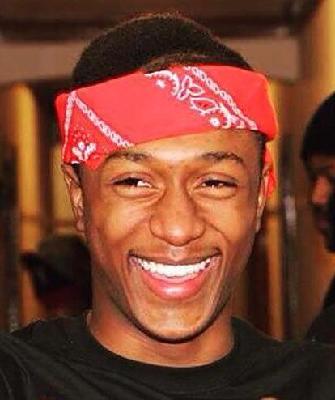
A life was cut tragically short on the evening of Thursday, October 15, 2026, when Quentist Ahmad Alexander, a 23-year-old male, was shot and killed in Chicago’s West Englewood neighborhood. The fatal shooting left a family grieving and a community searching for answers, as the person or people responsible vanished without a trace. His death is one of many unsolved gun violence cases that continue to challenge the city.
The incident unfolded at approximately 5:45 p.m.
in the 6600 block of South Loomis Boulevard. According to reports from the Chicago Police Department, Quentist was near an alley on the residential street when he was struck by gunfire multiple times. The sudden burst of violence shattered the late afternoon calm. First responders were dispatched to the scene and found Quentist with severe injuries. Paramedics worked quickly to transport him to the University of Chicago Medical Center, a Level 1 trauma center renowned for its work in treating the most critical injuries. Despite the extensive efforts of the hospital's emergency medical team, Quentist Ahmad Alexander succumbed to his wounds and was pronounced dead.
The investigation into the homicide was assigned to Area One Detectives of the Chicago Police Department. Detectives arrived to secure the crime scene, searching for shell casings, interviewing potential witnesses, and looking for any surveillance cameras in the vicinity that might have captured the shooting or the moments leading up to it. The block where the shooting occurred is part of the 7th (Englewood) Police District, an area on the South Side that has long grappled with high rates of violent crime.
West Englewood is a neighborhood with a deep history, but one that also faces persistent socio-economic challenges. It is a community of dense residential blocks, historic churches, and local businesses, but for decades, it has been disproportionately affected by violence. The streets are lined with a mix of brick bungalows and multi-unit apartment buildings, many of which bear witness to the struggles and resilience of their residents. The presence of the University of Chicago Medical Center’s trauma unit has been a critical resource for the South Side, significantly reducing transport times for victims of violence like Quentist and improving survival rates, though the sheer volume of cases remains a stark reality.
In the days and weeks following the shooting, authorities released few details about the ongoing investigation. No description of a suspect or a getaway vehicle was made public, and police did not announce any arrests or identify any persons of interest. The motive behind the shooting remains unknown, leaving Quentist’s loved ones without an explanation for why his life was taken. The silence in the case is a painful echo of the many unsolved murders in the city, where fear of retaliation can often prevent witnesses from coming forward.
As of late October 2026, the investigation into the murder of Quentist Ahmad Alexander remains open and active. Detectives continue to seek leads that could help them bring his killer or killers to justice. Without new information, the case risks growing cold, another statistic in a year marked by violence. Authorities urge anyone who may have seen something, no matter how insignificant it may seem, to contact the Chicago Police Department's Area One Detectives. Anonymous tips can often be the key to breaking through the silence and providing a measure of closure for a grieving family.