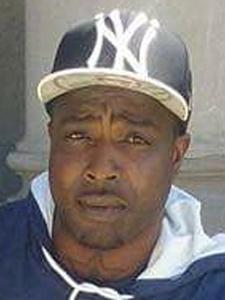
Rickey J. King, a 37-year-old African American male, tragically passed away on November 27, 2016, in Chicago, Illinois. His death was a significant loss to his family and community, who mourned his untimely passing. The circumstances surrounding his death were initially unclear, leading to an investigation to determine the cause and any potential foul play involved.
The investigation into Rickey J. King's death revealed that he was a victim of homicide.
The details of the case indicated that he had suffered fatal injuries, which led to his death. Law enforcement agencies in Chicago launched a thorough investigation to identify the perpetrators and bring them to justice. The case garnered attention due to the violent nature of the crime and the impact it had on the local community.
As the investigation progressed, several suspects were identified and questioned by the police. The authorities worked diligently to gather evidence and build a case against those responsible for Rickey J. King's murder. The legal proceedings that followed included multiple arrests and charges being filed against the suspects. The case went through various stages of litigation, with the prosecution presenting evidence to support their claims of premeditated murder.
Throughout the legal process, the family of Rickey J. King sought justice for their loved one. The court hearings were emotionally charged, with testimonies from witnesses and experts shedding light on the events leading up to the tragic incident. The defense and prosecution presented their arguments, and the jury deliberated on the evidence presented. The trial concluded with convictions for those found guilty of the crime, bringing some measure of closure to the grieving family.
The death of Rickey J. King highlighted the ongoing issues of violence and crime in Chicago, prompting discussions on the need for better community safety measures and support for victims' families. His case remains a poignant reminder of the devastating impact of violent crime and the importance of justice for those affected.