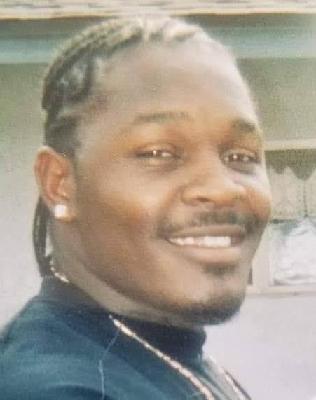
On June 22, 2002, eighty-two-year-old Robert Gillette lost his life in the South Bay community of Gardena, California. Gillette, an elderly white male, became one of hundreds of victims in what would prove to be one of the deadliest and most violent years for Los Angeles County in the early twenty-first century. Yet despite occurring in an urban setting surrounded by active suburban neighborhoods, the circumstances that brought about the octogenarian's death remain cloaked in an unsettling silence.
The city of Gardena occupies a central pocket of the South Bay, situated just south of Los Angeles and bordered by Torrance, Hawthorne, and unincorporated county territory. In 2002, the region was experiencing elevated rates of violent crime, with Los Angeles County recording well over six hundred homicides across its cities and unincorporated communities. Local municipal departments, including the Gardena Police Department, frequently worked in tandem with neighboring agencies and the Los Angeles County Sheriff's Department Homicide Bureau as investigators scrambled to keep up with an unrelenting caseload of fatal assaults, shootings, and residential crimes.
The official records classify Gillette's death as a homicide, but law enforcement and coroner officials did not release a specific cause of death to the general public, listing the manner under other mechanisms. The lack of detailed public briefings at the time reflects an era before widespread digital transparency and modern department blotters, leaving many older homicide cases with scarce media coverage unless publicized through formal press conferences or major community appeals.
In the days following Gillette's death, investigators tasked with probing the incident confronted the distinct challenges typical of crimes against seniors. Such inquiries require authorities to carefully evaluate the surroundings, searching for signs of forced entry, robbery, disputes, or physical exploitation. When elderly residents are targeted, potential witnesses are often sparse, physical evidence can be subtle or obscured, and establishing a clear timeline presents formidable obstacles for detectives attempting to reconstruct the victim's final hours.
More than two decades later, no public arrests have been announced, no suspect descriptions have been formally circulated, and no criminal trial has brought resolution to the matter. The file remains an open, unsolved homicide on the books in Los Angeles County. Decades of silence have settled over the investigation, but detectives continue to hold that someone in the community or connected to the neighborhood during the summer of 2002 may possess critical details that could finally illuminate how Robert Gillette met his death.