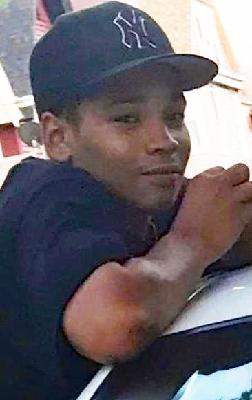
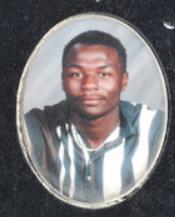
The life of Juan Garcia came to a sudden and violent end on Friday, August 13, 2004, in the densely populated neighborhood of Pico-Union in Los Angeles. He was a forty-seven-year-old Hispanic man living in an area defined by deep cultural roots, historic brick architecture, and crowded residential corridors just west of downtown Los Angeles. On that mid-August day, an encounter cut his life short, leaving behind an investigation that yielded remarkably few answers to the public.
Following the fatal incident, authorities were summoned to the scene where Juan Garcia was discovered. First responders arrived to assess the situation, but his life could not be saved, and his death was recorded that day. While officials confirmed the passing of the forty-seven-year-old man, the specific mechanism and nature of his fatal injuries were not publicly released, with official records noting the cause of death simply as other. The silence surrounding the immediate findings left friends, neighbors, and the broader community without a clear understanding of what had transpired.
Investigators from the Los Angeles Police Department were tasked with examining the scene and reconstructing the events of that Friday. Detectives routinely canvas surrounding blocks, look for surveillance opportunities, and seek out witnesses in homicide inquiries, yet no descriptions of suspects, getaway vehicles, or identifiable motives were ever made public in connection with the case. The surrounding streets of Pico-Union, bustling with commercial trade, street vendors, and multifamily dwellings, held many passing eyes and ears, but no clear leads surfaced to bridge the gap between the crime and an arrest.
The mid-2000s in Los Angeles were a difficult era for urban violence and police resources, with hundreds of homicides recorded annually across the city. Neighborhoods like Pico-Union, flanked by the busy arteries of Olympic Boulevard and the surrounding transit corridors, frequently faced the harsh toll of street violence, creating an environment where witnesses were often hesitant to come forward due to fear of retaliation or mistrust of authorities. In the midst of this heavy caseload, individual tragedies frequently slipped out of public view without dedicated news coverage, leaving victims like Juan Garcia to be remembered primarily through administrative ledgers and coroner filings.
More than two decades have elapsed since Juan Garcia was killed, and the circumstances surrounding his death remain as unresolved as they were in the summer of 2004. No person has ever been arrested, charged, or convicted in connection with his death. With no publicly named suspects and no clear breakthroughs over the intervening years, the case rests as an open and unsolved homicide within the files of the Los Angeles Police Department, awaiting any new information or retrospective tips that might finally clarify how and why he died.