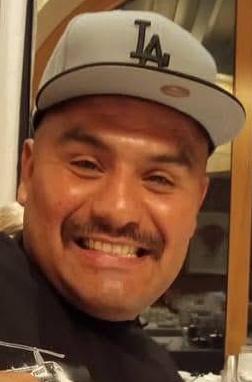
Robert Allen Garten Jr., a 50-year-old White/Caucasian man, died on November 9, 2018, following a violent incident inside California State Prison, Los Angeles County, located in Lancaster, California. Garten was serving a 20-year prison sentence when he was found severely injured and unresponsive in his cell. His death prompted a homicide investigation, with authorities identifying his cellmate as the primary suspect.
On the evening of November 9, correctional officers were conducting routine security checks throughout the prison housing units. At approximately 8:45 p.m., officers discovered Garten unconscious inside his cell. Recognizing the seriousness of his condition, they immediately alerted medical personnel. Garten had sustained critical injuries, and emergency efforts were initiated to save his life. He was transported to a hospital for treatment, but his injuries proved fatal. He died less than an hour after being discovered.
The California Department of Corrections and Rehabilitation identified Garten's cellmate, Stephen Anthony Marrufo, as the suspect in the suspected killing. Marrufo, who was 32 at the time and originally from the Riverside metropolitan area, was immediately separated from the general prison population and placed in a segregation unit while authorities investigated the circumstances surrounding Garten's death.
During the initial investigation, correctional officials observed several physical injuries on Marrufo that raised questions about what had occurred inside the cell. According to Lieutenant Richard Ochoa of the California Department of Corrections and Rehabilitation, Marrufo had bruising on one foot and one of his hands, along with red blotches on the back of his neck. These observations were documented as investigators worked to determine whether a physical confrontation had taken place between the two inmates.
At the time of Garten's death, Marrufo was already serving a life sentence with the possibility of parole for an unrelated first-degree murder conviction. Court records indicated that Marrufo had pleaded guilty to that murder charge in October 2015 and entered state prison on November 6, 2015. He had also served time in prison before that conviction. His history of violent criminal conduct became part of the background surrounding the investigation into Garten's death, although his previous conviction did not establish responsibility for the new incident.
Garten had entered the California state prison system on April 21, 2015. According to court records, he had previously pleaded guilty to solicitation to commit murder and assault with a deadly weapon. Those convictions resulted in the lengthy prison sentence he was serving when the fatal incident occurred. Despite his incarceration, the circumstances of his death required a separate criminal investigation to determine who was responsible and whether additional charges were warranted.
The Los Angeles County Sheriff's Department was assigned to investigate the suspected homicide. Investigators faced the task of reconstructing the events inside the prison cell, examining the physical evidence, and determining what had happened before correctional officers discovered Garten. At the time of the initial reports, his remains were awaiting an autopsy, and authorities had not publicly disclosed a specific motive for the suspected attack.
Although Marrufo was identified as the primary suspect and placed in segregation, the publicly available reporting does not establish that he was subsequently arrested on a new charge, formally prosecuted, or convicted in connection with Garten's death. His existing life sentence was related to an earlier murder conviction and should not be confused with a conviction for Garten's killing. No verified trial outcome or additional sentence specifically connected to Garten's death could be established.
The death of Robert Allen Garten Jr. brought attention to another fatal incident of suspected inmate-on-inmate violence within California's correctional system. What began as an ordinary evening inside the Lancaster prison ended with correctional officers discovering a critically injured inmate, an unsuccessful emergency medical response, and a criminal investigation focused on the person who shared his cell. While authorities quickly identified a suspect, the motive and ultimate judicial outcome of the investigation have not been publicly established in the available reporting.