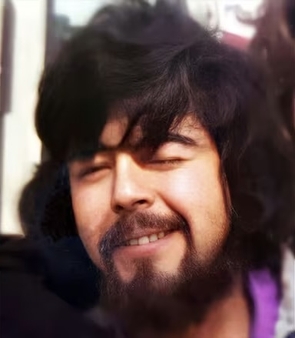
Gary Meier, a 52-year-old man, was found shot to death inside his rural home in Lacombe County, Alberta, on August 10, 2001. Meier was a successful auctioneer and businessman whose operations included Meier Auctions Ltd., a company through which he held significant business and property interests. His killing stunned the central Alberta community, where he was well known through his auction business and other commercial ventures.
Police treated Meier’s death as a homicide and began looking closely at the people around him and the circumstances of his business and personal life. The investigation generated dozens of leads; contemporary accounts indicated that the RCMP had received or developed roughly 40 leads as investigators tried to determine who had entered or approached the rural residence and shot him. Despite the amount of information gathered, police did not immediately have enough evidence to lay a murder charge.
Years of investigative reporting on the case later described one of Meier’s own trusted hired hands as the principal suspect examined by investigators. According to that reporting, the RCMP pursued the man extensively and an undercover “Mr. Big”-style operation was allegedly developed in an effort to obtain incriminating evidence or a confession. Meier’s family was reportedly told at one stage that investigators intended to pursue a charge against the suspect, but prosecutors ultimately concluded that the available evidence was insufficient to proceed. The man therefore never faced a criminal trial in connection with Meier’s killing.
The suspected hired hand died in 2014 without ever being charged. No arrest, prosecution, trial, or conviction followed in Meier’s homicide, leaving investigators without a person they could prove in court was responsible for the shooting. The absence of charges also meant that allegations surrounding the suspect were never tested before a judge or jury, and he cannot legally be regarded as having been responsible for the murder.
Meier’s death also became entangled with years of litigation involving his estate and business holdings. Court records established that he was the sole shareholder and director of Meier Auctions Ltd. and that some farmland he had attempted to leave to his brother in his will was actually owned by the corporation rather than by Meier personally. Those disputes continued long after the homicide and exposed the complexity and value of the business interests he left behind, but they did not produce a criminal resolution to his killing.
More than two decades after the shooting, the central fact of the case remains unchanged: Gary Meier was murdered in his Lacombe County home, investigators developed a serious suspect and pursued numerous leads, but prosecutors never obtained evidence they believed was sufficient to bring the case to trial. With the principal reported suspect having died and no one else arrested or charged, Meier’s August 2001 homicide remains unsolved.