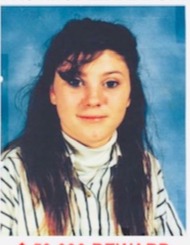
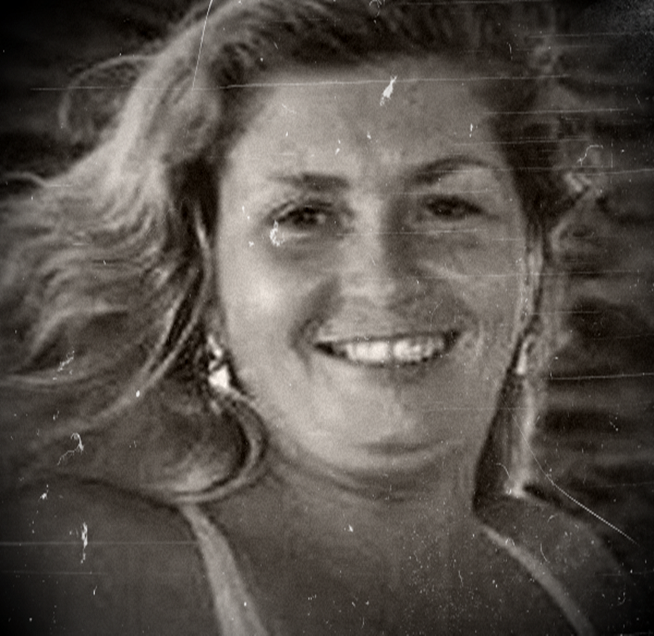
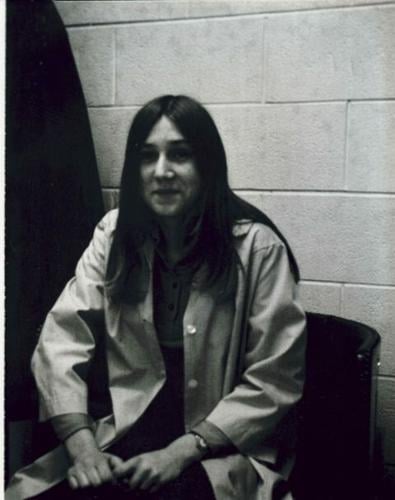
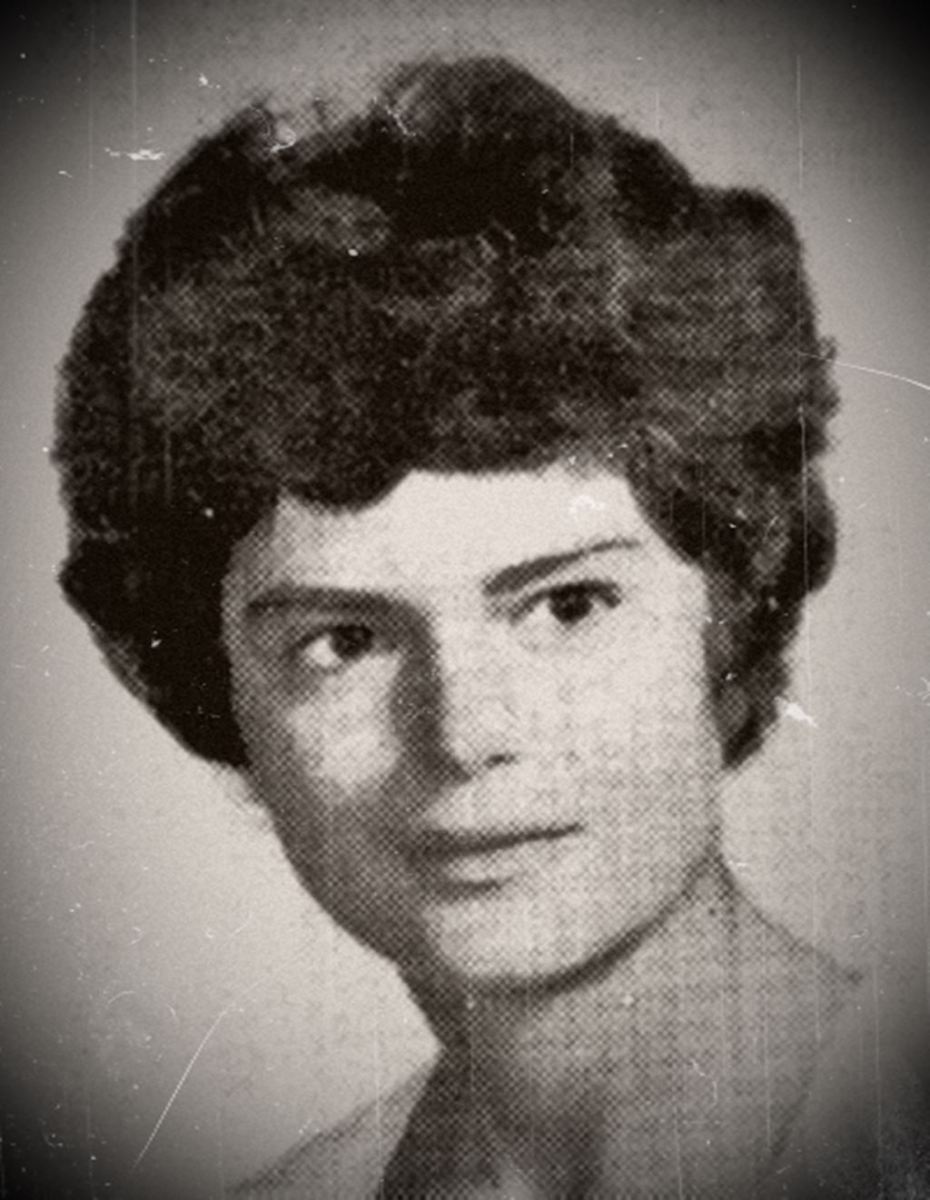
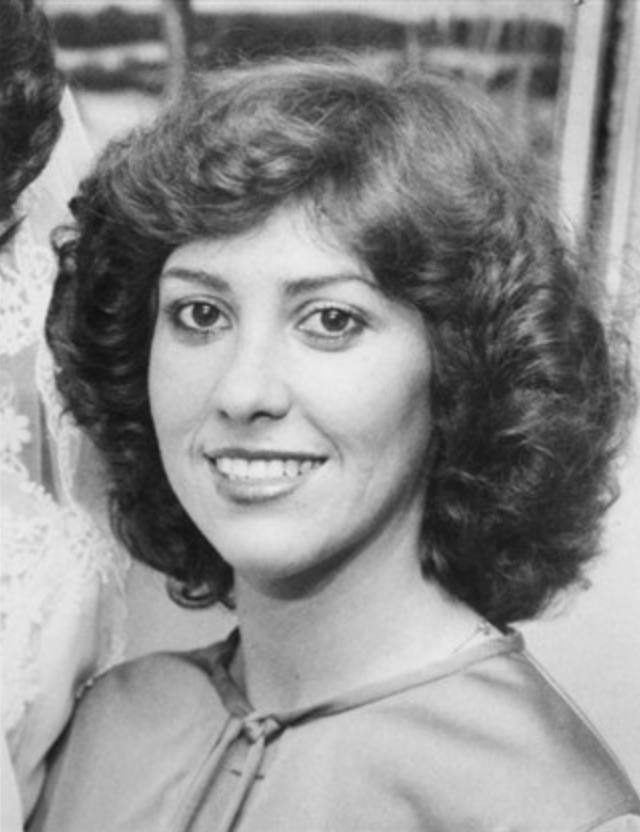
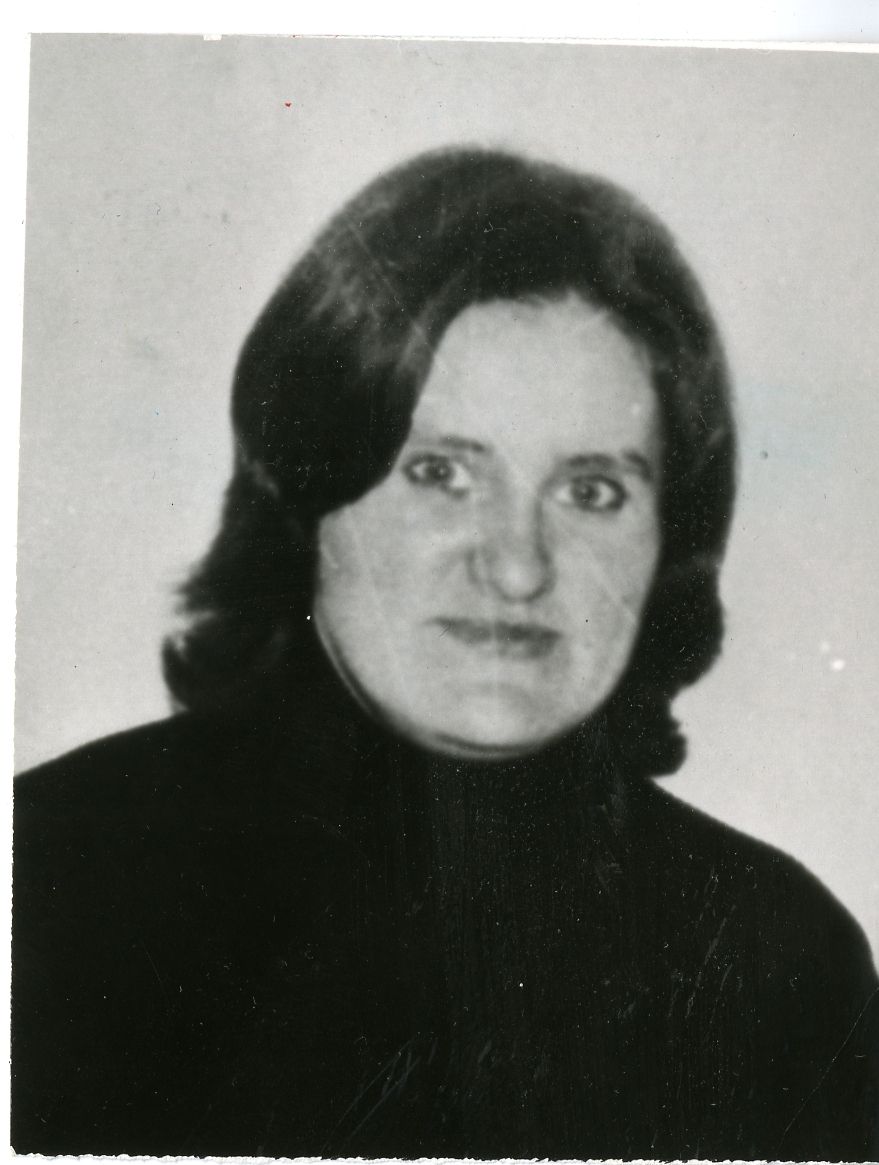
Leah Salina Sousa, a 13-year-old White female, was killed during a violent home invasion in Cumberland Beach, Ontario, in the early morning hours of September 1, 1990. The Labour Day weekend was supposed to mark the end of summer before she began high school. She was sleeping on a couch inside the family's Beachview Avenue home while her mother, Lora Sousa, and her infant brother Michael were also asleep in the residence.
Investigators determined that sometime after midnight, generally placed between about 1:30 and 3:30 a.m., someone broke the glass in the rear door and entered the house.
The intruder attacked Lora with a blunt object, striking her with enough force to cause devastating head injuries and leave her unconscious. A portable telephone was found smashed, and investigators later learned that Lora had apparently attempted to summon help during the attack. Michael, who was nine months old, was left unharmed in his crib. The assailant then attacked Leah, sexually assaulted her and dragged her from the house into the backyard. There she was beaten repeatedly with a heavy blunt object, possibly a metal pipe, crowbar or tire iron. She died from massive head injuries.
The violence was discovered later that morning when one of Leah's friends came to the house and encountered the aftermath of the attack before running for help. Lora survived after being hospitalized, but the trauma to her head caused profound memory loss surrounding the crime. Investigators believed she may have seen the person responsible, yet she could not recover a useful memory of the attacker. Over the years she underwent extraordinary attempts to regain those memories, including hypnosis and other experimental procedures, but none produced an identification.
The crime scene offered investigators frustratingly little evidence. One of the most significant clues was a bloody shoe impression associated with a Nike leather court or tennis shoe, generally described as approximately a men's size 9 or 10. The murder weapon was never recovered, nor was clothing believed to have been worn by the attacker. Investigators reasoned that whoever committed the attack would likely have left the property heavily stained with blood. Police also came to believe that the offender was familiar with Cumberland Beach and may have known the circumstances inside the Sousa household, including that Lora was raising her children without another adult living there.
The Ontario Provincial Police pursued thousands of pieces of information and conducted well over a thousand interviews as the investigation grew into one of the force's longest-running homicide cases. Attention at various times focused on people with connections to the area. Among the most frequently discussed was Brian Timothy Elson, whose grandmother reportedly lived near the Sousa home. Investigators interviewed Elson multiple times and believed he had been in or around Cumberland Beach at the time of the killing. Elson denied being responsible and maintained that he was not in the area when the attack occurred. He was never charged in Leah's death.
Elson drew additional scrutiny because, approximately four months after Leah's killing, he fatally stabbed 17-year-old Sandra Bannister following a gathering. He was initially arrested in that case and was ultimately convicted of manslaughter, serving approximately six years in prison. In later reporting, Elson said police had questioned him about Leah's murder and that he had at one point been taken into custody in connection with the investigation before being released without a charge. None of the investigative interest in him developed into sufficient evidence for a prosecution in the Sousa case.
Other theories have surfaced through the years, including suggestions that a serial offender may have been responsible. Retired OPP officer Barry Ruhl publicly advanced a theory involving a man he identified under the pseudonym "Larry Talbot," whom Ruhl suspected in several attacks and unsolved killings in Ontario. That theory has remained an investigator's hypothesis rather than a proven connection to Leah's murder. Other names and allegations have circulated publicly as well, but none has resulted in charges, and police have not established publicly that any of those individuals was responsible.
Investigators continued trying to apply advances in forensic science to evidence preserved from the case. By 2008, police were exploring specialized DNA testing with assistance from experts in the United States because conventional DNA evidence capable of immediately identifying the attacker had not produced a solution. Police also conducted renewed searches after receiving tips, including a large search near Highway 11, and launched billboards asking the public for information. A $50,000 reward was established for information leading to the arrest and conviction of the person responsible.
More than three decades after the attack, the central facts of the case remain unchanged: Leah's killer has not been prosecuted, the murder weapon has not been recovered, and no publicly identified suspect has been charged with her killing. Public reporting as recently as 2026 continued to describe the homicide as unsolved. Investigators have long maintained that someone may possess a seemingly minor detail capable of resolving the case, leaving the murder of Leah Salina Sousa an active and enduring Ontario cold case rather than a crime for which anyone has been tried or convicted.