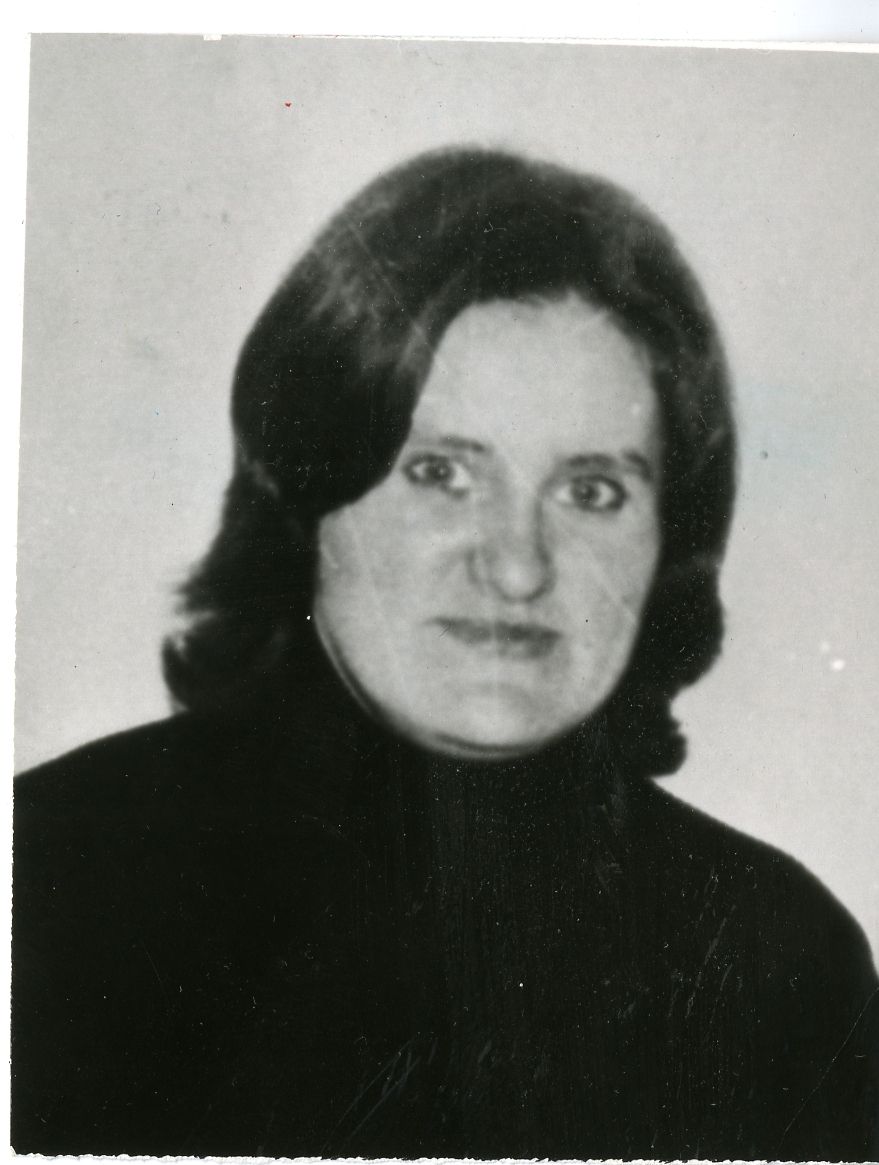
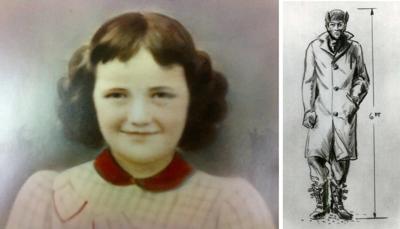
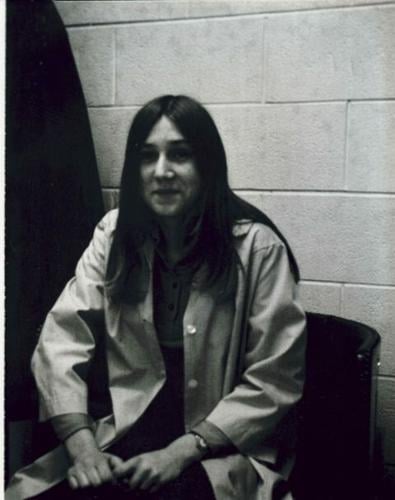
Patricia Real, a 46-year-old woman and mother of two, was killed outside her home in Etobicoke, Ontario, late on July 17, 2000. Toronto Police records place the shooting at about 11:10 p.m. on Hallmark Avenue near Rimilton Avenue. She had returned home with her boyfriend and was in the area of the backyard when an assailant who appeared to have followed the couple on a bicycle suddenly confronted them. The gunman approached at close range and shot Real twice in the head.
Her boyfriend fought with the attacker, but the gunman managed to break away, get back onto the bicycle and escape. Emergency personnel attempted to save Real, but she was pronounced dead at the scene.
Investigators came to believe the shooting was not a random act. Police said Real appeared to have been deliberately targeted in an ambush. She was employed, lived independently and was not known to have been involved in criminal activity. Detectives nevertheless disclosed that at some point she had been associated with people described as part of a criminal element, although investigators were unable to establish publicly whether that association had anything to do with her murder. Reports also indicated that she had been frightened during the months leading up to her death, adding to investigators' belief that the attack may have been planned specifically for her.
Attention eventually focused on Ronald Harper, a man with whom Real had previously been in a long-term relationship. Real had ended that relationship in January 2000, approximately six months before the killing. Harper was reportedly seen on her street on the day she was murdered, making him an obvious person for investigators to examine. Police, however, determined that Harper himself was at Casino Rama in Orillia when the shooting occurred, placing him away from the crime scene when the gunman attacked.
The alibi did not completely eliminate Harper from investigators' suspicions. Police later said they considered the possibility that he could have arranged for someone else to carry out the shooting. No evidence sufficient to charge him was publicly announced, and Harper died by suicide nearly a year after Real's murder. His death left investigators without the opportunity to resolve the questions that continued to surround his possible role. No arrest or prosecution of Harper ever resulted from the investigation.
The unidentified gunman remained another major focus. Witness information described the attacker as tall and thin, wearing a black puffy jacket and a baseball cap. One of the most important pieces of physical evidence was the bicycle used in the escape. Police recovered the black Mongoose “Rockadile” mountain bike not long after the killing. It had chrome rims, a racing-style seat, knobby tires, front shock absorbers, straight handlebars and a missing hand grip on the left side.
Initial forensic testing of the bicycle produced no breakthrough, but advances in DNA examination eventually allowed investigators to obtain a mixed genetic profile from it. By the time police publicly discussed the evidence in 2008, they said the mixture contained DNA from at least two people. Real was identified as the source of the female component, while the male component did not match anyone then contained in the convicted-offender index of Canada's national DNA databank. The discovery gave detectives a potential forensic link to the killer or someone associated with the bicycle, but it did not identify a suspect.
Despite the physical evidence, witness account and investigation of Harper, authorities have never announced an arrest, charge, trial or conviction in Real's killing. Toronto Police continues to list Patricia Real as Homicide #35/2000 among its cold cases, and the department's current case page continues to seek information from anyone who may know what happened. More than two decades after the gunman waited near her Etobicoke home, opened fire and fled into the night on a bicycle, the identity of the person who killed her—and whether anyone arranged the attack—remains officially unresolved.