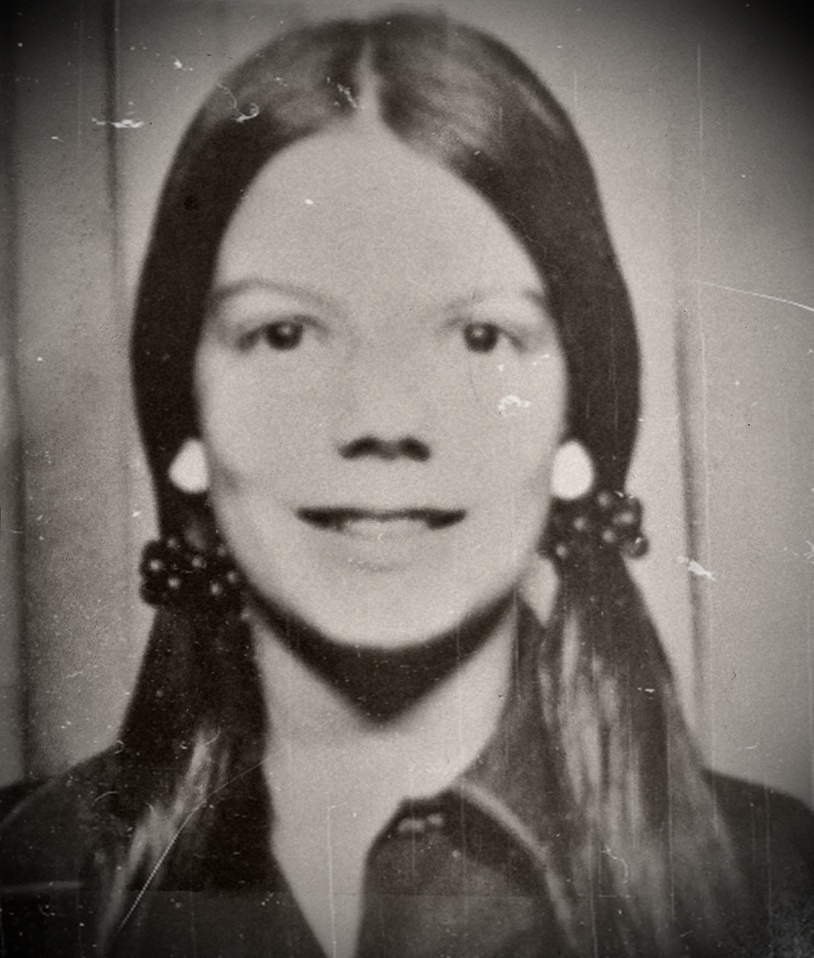
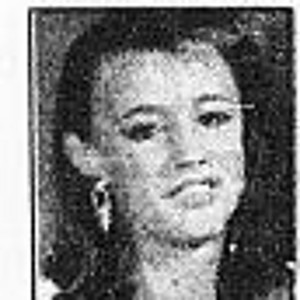
Jocelyne Houle was a 24-year-old woman from Chicoutimi, Quebec, who was in Montreal in April 1977 while completing a short period of specialized training connected with the Montreal Heart Institute. She was a nursing student studying respiratory therapy and was staying at the Institut Jeanne-Mance during her time in the city. She was engaged and was reportedly planning to marry later that year.
Contrary to an October 1 date, the Sûreté du Québec identifies April 14, 1977, as the date of the event in its official cold-case record.
On the evening of April 13, Houle joined seven colleagues for a night out to celebrate her internship. The group first had dinner at the Barnsider restaurant on Guy Street before going to the Vieux Munich bar at 1170 Saint-Denis Street. They arrived at approximately 11:30 p.m. and remained there drinking and dancing until closing time. At about 1:30 a.m. on April 14, the group left the Vieux Munich and began walking toward La Calèche on Sainte-Catherine Street.
As the group walked, Houle fell behind the others and was seen in the company of two men. She never reached La Calèche. When her companions realized she was missing, they returned to the Vieux Munich to look for her but could not find her. They initially thought she might have decided to return to the residence on her own, but when they later arrived there, she was not there either. She subsequently missed her classes on April 14 and 15 and did not return to her parents' home in Chicoutimi for the weekend. Some later accounts state that the two men had danced with her earlier and that a friend may have seen her entering a car, although the circumstances and timing of that observation have remained unclear.
Three days after her disappearance, at approximately 11 a.m. on Sunday, April 17, a passerby discovered Houle's body along Rang 5 near Saint-Calixte, more than an hour north of Montreal. She was lying face down in a shallow roadside ditch containing several inches of water. Her body was partially unclothed, her clothing had been disturbed, and her handbag was nearby. The remote location was many kilometres from where she had last been seen in downtown Montreal.
The subsequent examination determined that Houle had been beaten to death. She suffered a fractured jaw and extensive injuries to her face and head consistent with repeated punches or kicks. Accounts based on the investigation and autopsy also report evidence that she had been sexually assaulted, with investigators considering the possibility that more than one offender had participated. Police concluded that the ditch at Saint-Calixte was a disposal site rather than the location where she was killed, meaning she had apparently been attacked elsewhere and transported there afterward.
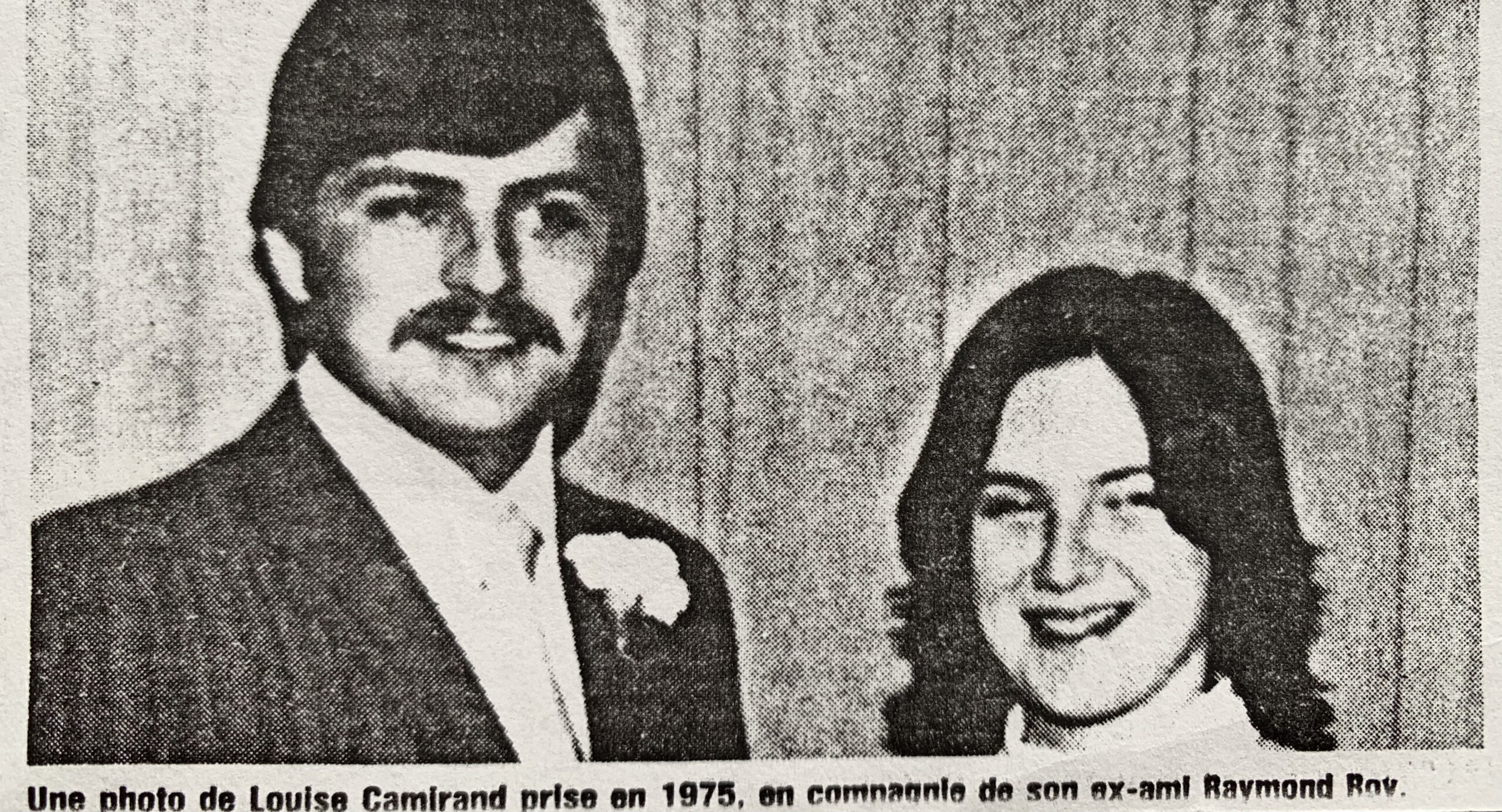
The two unidentified men seen with Houle shortly before she vanished became an important part of the mystery surrounding the case. Publicly available material has included references to composite sketches connected with the investigation, but the Sûreté du Québec's current cold-case summary does not publicly identify either man by name. Investigators also explored whether Houle's killing might have been connected to other attacks on young women in Quebec during the same period. One early line of inquiry considered similarities with the killing of Louise Camirand, who had been murdered only weeks earlier, although no publicly established link ultimately solved Houle's case.
No arrest, criminal charge, trial or conviction has been publicly reported in connection with Houle's murder. Decades later, the Sûreté du Québec continues to list the case among its unresolved investigations under file number 160-770417-009 and continues to seek information from the public. The identities of the person or persons responsible for taking Houle from Montreal, assaulting and killing her, and abandoning her body near Saint-Calixte remain officially unresolved.