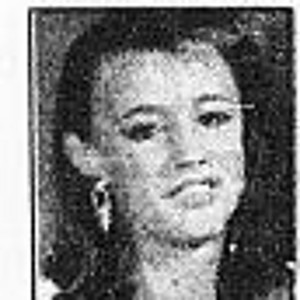
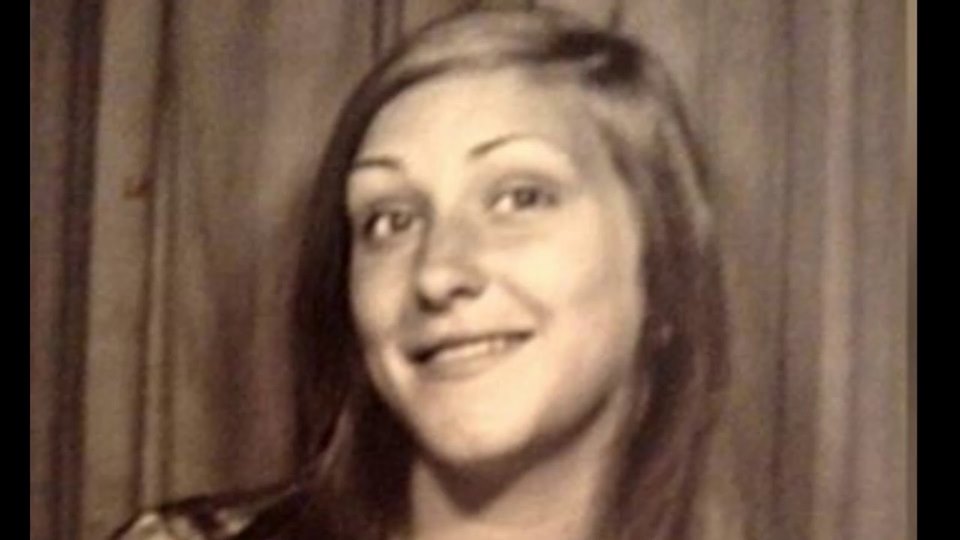
Katherine Hawkes, a 34-year-old woman who lived in Montreal’s Cartierville district, left her downtown workplace at about 6:00 p.m. on September 20, 1977. Quebec was experiencing a major power failure that evening, disrupting the commuter train she normally used to return home, so she took a bus instead. Investigative accounts place her getting off near Grenet Street and Henri-Bourassa Boulevard sometime between approximately 6:20 and 7:00 p.m., only a short distance from her home.
The information available online indicates that she was attacked that evening, rather than dying on October 1 as initially stated.
Sometime after leaving the bus, Hawkes was assaulted in a wooded or brush-covered area near the Val-Royal railway station. She was severely beaten about the head and sexually assaulted. Hours later, at about 10:35 p.m., Montreal police received extraordinary telephone calls from a man who identified himself as the person who had attacked her. In the first call he gave a location near Bois-Franc and Henri-Bourassa and urgently indicated that he feared the victim might die. He called again and provided a more precise location near Henri-Bourassa and Grenet in Ville Saint-Laurent. The calls gave police not only a description of where the victim had been left, but also a recording of the attacker's voice.
Despite those calls, Hawkes was not located that night. On the evening of September 21, two students discovered her body in the vicinity of the Val-Royal station. Contemporary investigative information places her roughly 100 feet from the station. She had suffered extensive injuries to her face and head, and evidence recovered during the postmortem examination confirmed the sexual assault. Her shoes were not found with her body; they were discovered in a ditch along Grenet Street on September 23.
An autopsy conducted on September 22 concluded that Hawkes died from a combination of the injuries inflicted during the beating and exposure to the cold. Because the caller expressed fear that she might die, later examinations of the case have raised the possibility that she remained alive for some period after the assault while lying outside. Reports concerning the investigation have sharply questioned why officers did not locate her after receiving the attacker's calls, although the precise extent to which an earlier response could have changed the outcome cannot now be established with certainty.
The recorded telephone calls became one of the most important clues in the unsolved investigation. Police at one point made the recording public in an effort to identify the caller. Decades later, renewed publicity produced a potentially significant lead. In May 2016, recordings of the calls were broadcast during a television discussion of the case. On June 8, an anonymous letter was received at the office of former Quebec justice minister and attorney Marc Bellemare. The writer claimed to recognize the caller's voice and identified a person believed to be the killer. Filmmaker Stephan Parent, who was researching Hawkes's death, said that a copy of the letter was turned over to investigators. The identity alleged in the letter was not publicly established as the killer.
No arrest was reported in connection with Katherine Hawkes's killing, and available reporting does not document anyone being criminally charged, tried, or convicted for the attack. The anonymous 2016 identification therefore remained a lead rather than a proven accusation. Nearly four decades after the killing, investigators still possessed the unusual clue of the attacker's own recorded voice, but the man responsible had not been publicly identified through a prosecution. Hawkes's death remained an unsolved Montreal homicide.