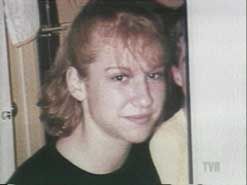
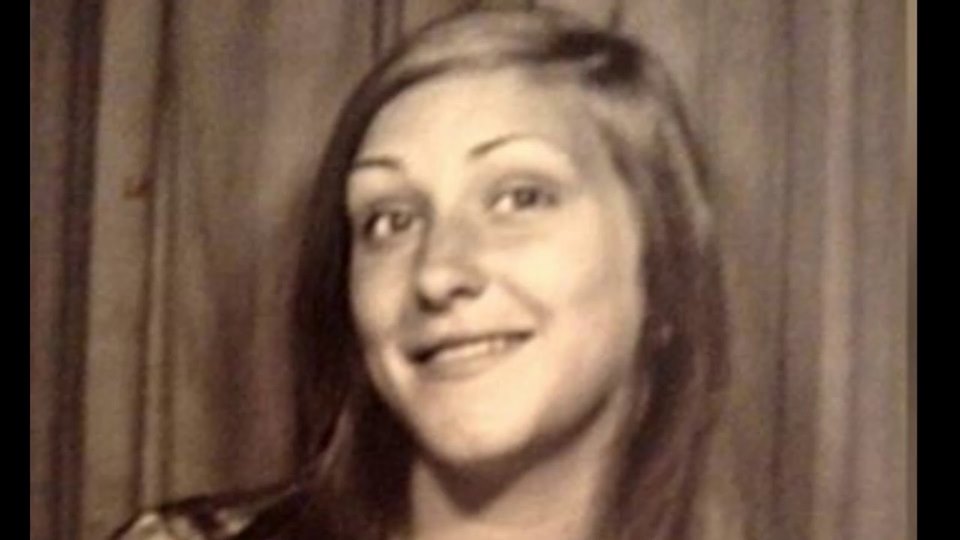
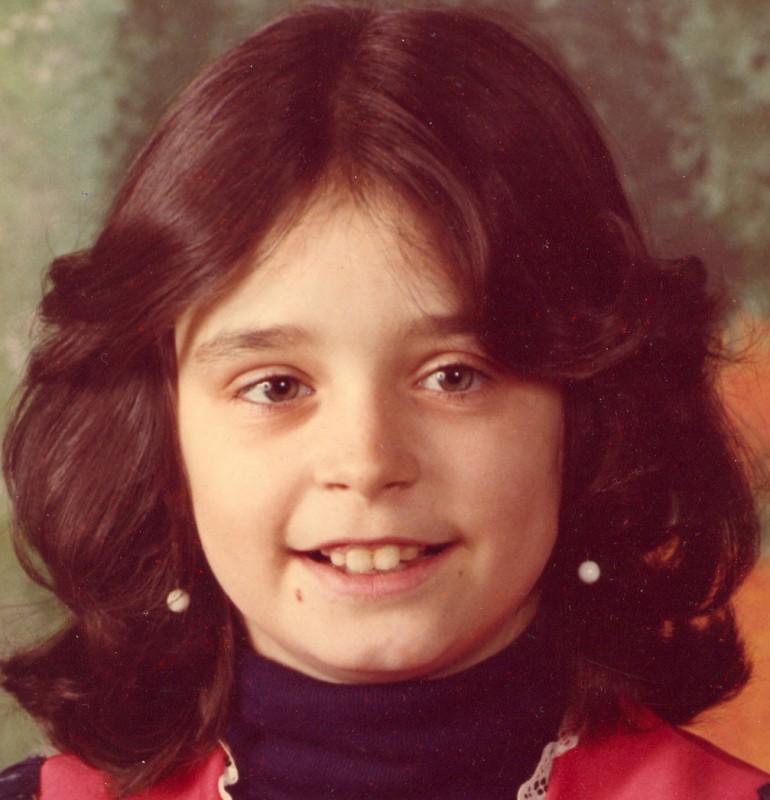
Diane Déry was a 13-year-old girl from Longueuil, Quebec, whose killing remains one of the province’s long-unsolved double homicides. Online case records place the crime not on October 2, 1975, but on the evening of May 20, 1975. That evening, her neighbor and friend Mario Corbeil had been enjoying a recently acquired red Kawasaki motorcycle, giving rides to friends around their neighborhood.
At about 8:00 to 8:15 p.m., Diane climbed onto the motorcycle with Mario, and the two headed toward a familiar trail and field near boulevard Rolland-Therrien. They disappeared into the wooded area and were never seen alive again.
As the evening wore on and the teenagers failed to return, their families became increasingly worried. Relatives and others began searching the surrounding fields and wooded areas, continuing through the night. At approximately 7:20 the following morning, May 21, a searcher discovered Diane and Mario in a vacant wooded area near the southern extension of boulevard Rolland-Therrien. Both had been shot repeatedly, and investigators quickly determined that they had been murdered. Their bodies had been found together, with Mario positioned over Diane, raising questions that investigators would continue examining for decades about exactly how the killings occurred and whether the bodies had been deliberately arranged after the shooting.
The autopsy established that Diane had suffered two gunshot wounds. One bullet entered the back-right area of her head or neck and traveled through the brain before lodging near the front of the skull. Another entered near her left armpit, passed through both lungs and damaged the pulmonary artery. Powder residue around that wound indicated that at least one shot had been fired from close range. Investigators recovered projectiles for ballistic examination. Contemporary newspaper coverage suggested that Diane may also have been sexually assaulted, but the available autopsy documentation does not establish that allegation, and later examinations of the case have cautioned against treating it as a confirmed fact.
Police focused heavily on the firearm evidence. Ballistics investigators concluded that they were looking for a. 22 Long Rifle semiautomatic firearm, specifically a Cooey Sure-Shot type rifle. Early in the investigation, police considered the possibility that a group of young people known to frequent the woods and shoot firearms there might have encountered Diane and Mario. Investigators interviewed numerous people but initially could not establish who had fired the shots or why the teenagers had been targeted. The coroner ultimately concluded that they had died violently at the hands of one or more unidentified persons and directed police to continue investigating.
A significant development came approximately two years later. According to investigative material preserved with the coroner's records, police received information from a father who said he was convinced that his teenage son had participated in the killings. The young man reportedly had a strong interest in firearms, associated with other youths who spent time in the same woods, and had left home for a period following the murders. Investigators reopened parts of the inquiry, examined Mario's notebook for names of acquaintances, and began concentrating on a group of local young men who were known to use rifles in the area.
In July 1977, police carried out a large series of investigative operations. Archived records indicate that nine people were arrested or detained for questioning and ten locations were searched, although none of those actions ultimately resulted in a murder charge. Several. 22-caliber rifles were recovered. One weapon seized from the residence of the father of a particularly noteworthy person of interest was described as a semiautomatic Cooey Sure-Shot Model 64, the same type investigators believed could have been used in the murders. Another young man's former rifle was located after police learned that he had sold it. The weapons were submitted for ballistic examination.
Despite those developments, investigators could not establish that the people they questioned had participated in the killings. The surviving records available online do not include the final ballistic-test results, and no formal accusation was ever filed against the principal person of interest in connection with Diane and Mario's deaths. Investigative reporting based on the coroner files describes one young man as having drawn particular police attention, but his identity has deliberately been withheld because he was never charged. Police records themselves acknowledged that, beyond the firearms and associations being examined, they lacked evidence proving that the individuals under investigation had taken part in the crime.
The investigation was eventually transferred from Longueuil police to the Sûreté du Québec after the victims' families pressed provincial authorities for renewed attention to the case. Decades later, the killings continued to receive scrutiny through renewed journalistic investigations and reviews of the original police, coroner and forensic records. Although those examinations have produced theories about the shooting, the positioning of the bodies and the identity of a possible perpetrator, none has resulted in criminal charges, a trial or a conviction. Diane Déry and Mario Corbeil's murders remain officially unsolved, and the Sûreté du Québec continues to seek information capable of identifying the person or persons responsible.