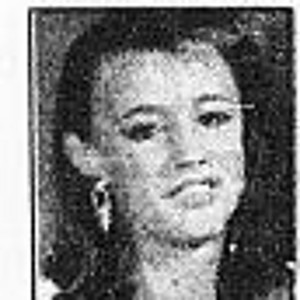
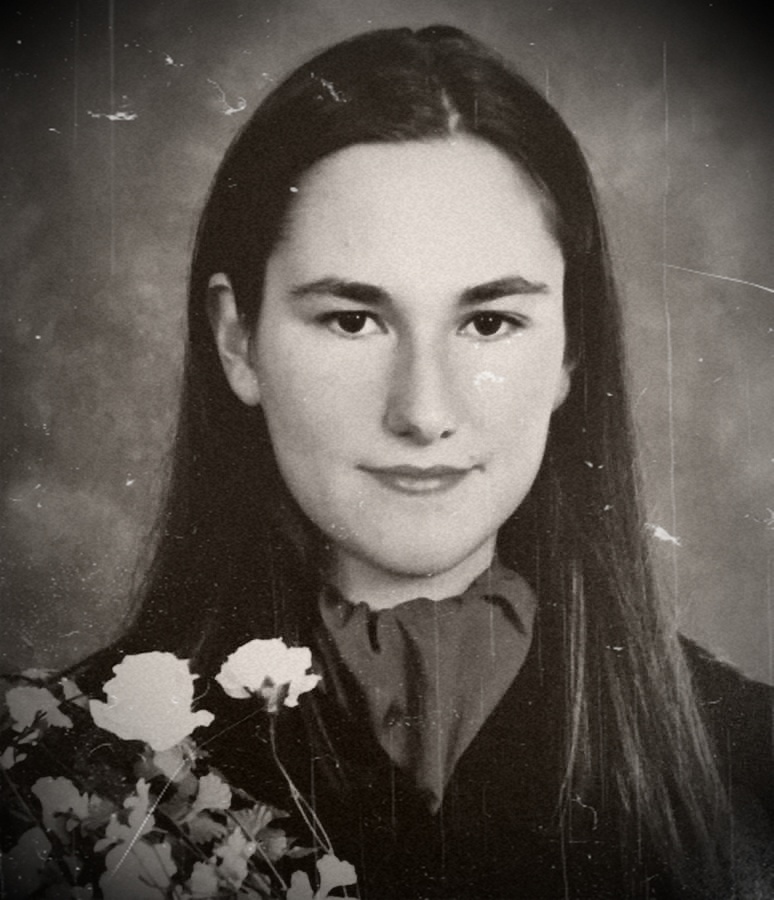
Tammy Leakey, a 12-year-old girl from Verdun, was killed on March 12, 1981, not October 1 as some records may indicate. That Thursday evening, Tammy accompanied her mother, Betty Leakey, her younger sibling, and family friends to a home on Ryde Street in Montreal’s Pointe-Saint-Charles neighborhood. At about 8:45 p.m., she was sent to the nearby Chez Bert convenience store, roughly a block away, to buy milk and chocolate.
The storekeeper later confirmed that Tammy completed the errand and left at approximately 9:05 p.m. When she had still not returned about 15 minutes later, her family began searching. A bag containing the milk and chocolate was discovered in the gutter near 2340 Ryde Street, along with Tammy’s broken eyeglasses, suggesting that something sudden and violent had happened shortly after she left the store.
As Tammy’s family canvassed the immediate neighborhood, a resident provided investigators with one of the case’s most important clues. The witness reported seeing a man wearing a beige trench coat get out of a small red automobile and force a screaming child into the vehicle. Police consequently treated Tammy’s disappearance as an abduction. Contemporary reporting also described another disturbing incident in Pointe-Saint-Charles two days earlier in which a man attempted to force a young woman into a red compact car before she escaped, although investigators never publicly established that the two incidents were committed by the same person. Police circulated information throughout Montreal in an effort to identify the vehicle and the man seen near Ryde Street.
At approximately 10:45 p.m., less than two hours after Tammy had been sent to the store, 73-year-old motorist Ewing Tait was driving along Lindsay Street in Dorval’s industrial district when he noticed what at first appeared to be clothing or a bundle beside the roadway. After stopping, he discovered Tammy lying on the ground. Her body was still warm when authorities arrived. She was transported to Lachine General Hospital, where she was pronounced dead on arrival. Although some later accounts described the location as a field, material based on police records indicates she was actually left beside Lindsay Street near the curb.
The investigation determined that Tammy had been strangled with what was described as a length of rope or electrical wire. Contemporary police reporting also said she had been stabbed, while later accounts of the investigative records described injuries from blows to the head and back and a stab wound to the back. Her clothing had been torn and partly removed. Early police statements said sexual molestation or rape was suspected, and later reporting described the killing as having a sexual component, although accounts differ over whether a completed sexual assault was medically established. Items of Tammy’s clothing were recovered where she was found, but one shoe was reportedly missing. One of the chocolate bars purchased during her final trip to the store was recovered with her belongings.
Montreal police homicide investigators Maurice Chartrand and Roland Ouimet were among those assigned to the case. In the days following the murder, authorities acknowledged that they did not yet have an identified suspect. Investigators nevertheless had the witness description of the unknown man and his small red car and continued receiving leads. By April 1981, local police officials publicly said there was a good chance the case could be solved because of the amount of information coming in, but no arrest followed. The failure to identify Tammy’s killer deeply affected Pointe-Saint-Charles, where residents complained about police protection and discussed organizing civilian patrols to accompany children and vulnerable residents through the neighborhood.
Decades later, investigators again examined Tammy’s murder in a broader effort involving other unsolved abductions and killings of children around Montreal and Laval. In 2013, Quebec news organizations reported that Tammy’s case was among seven investigations being studied together by police and specialists with the Sûreté du Québec because authorities believed similarities between the crimes could indicate a single serial offender. Investigators reportedly developed a behavioral profile while examining whether the cases were connected. That investigative theory did not produce a publicly identified killer in Tammy’s case.
No publicly documented arrest, criminal charge, trial, or conviction has resulted from Tammy Leakey’s murder. The man reportedly seen forcing a child into the small red car has never been publicly identified as the killer, and no named suspect has been established through the available reporting. More than four decades after Tammy was abducted during what should have been a brief walk to a neighborhood store and found killed in Dorval less than two hours later, the case remains unsolved.