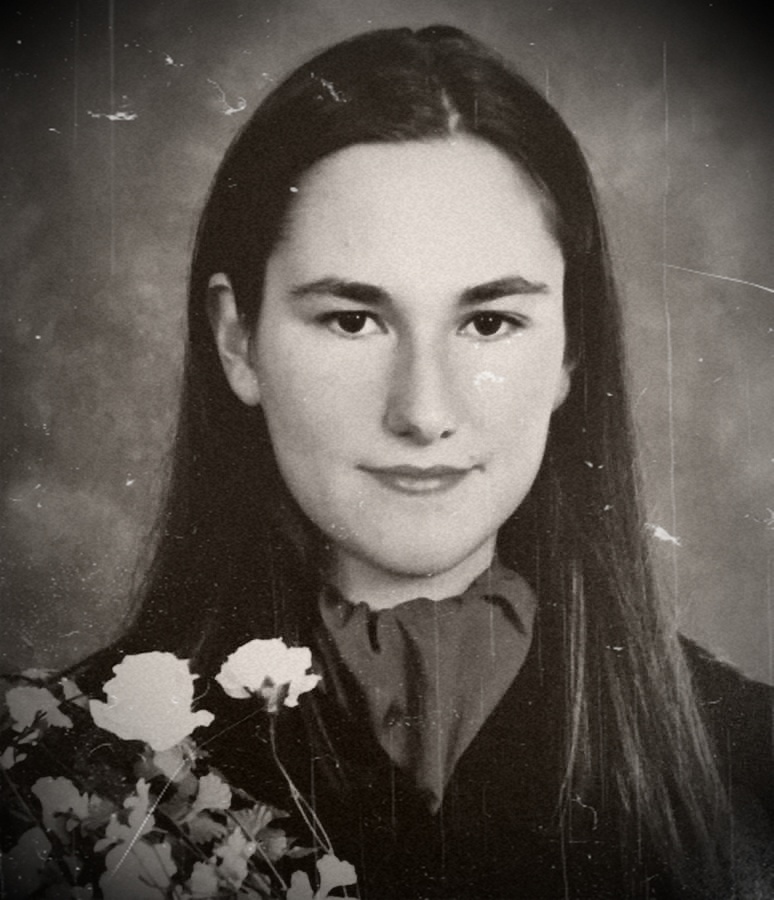
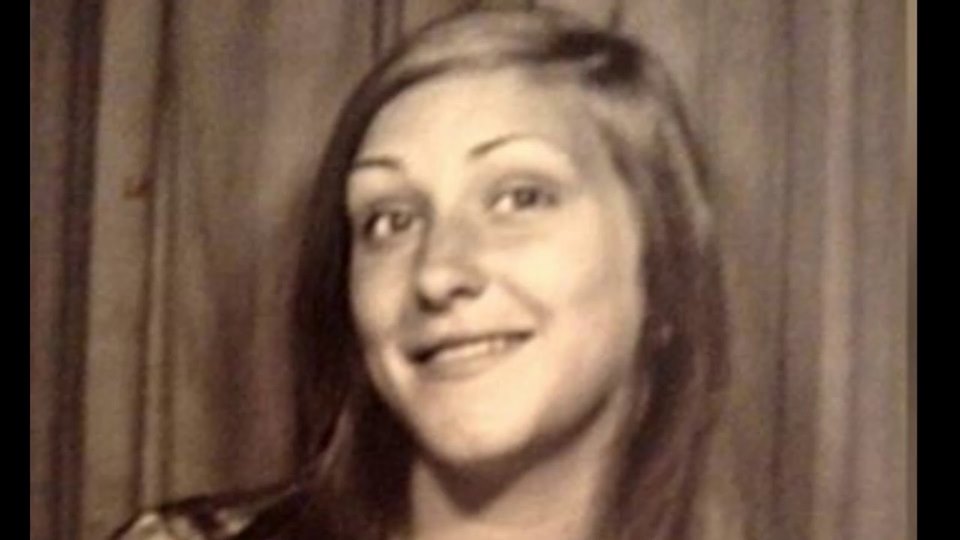
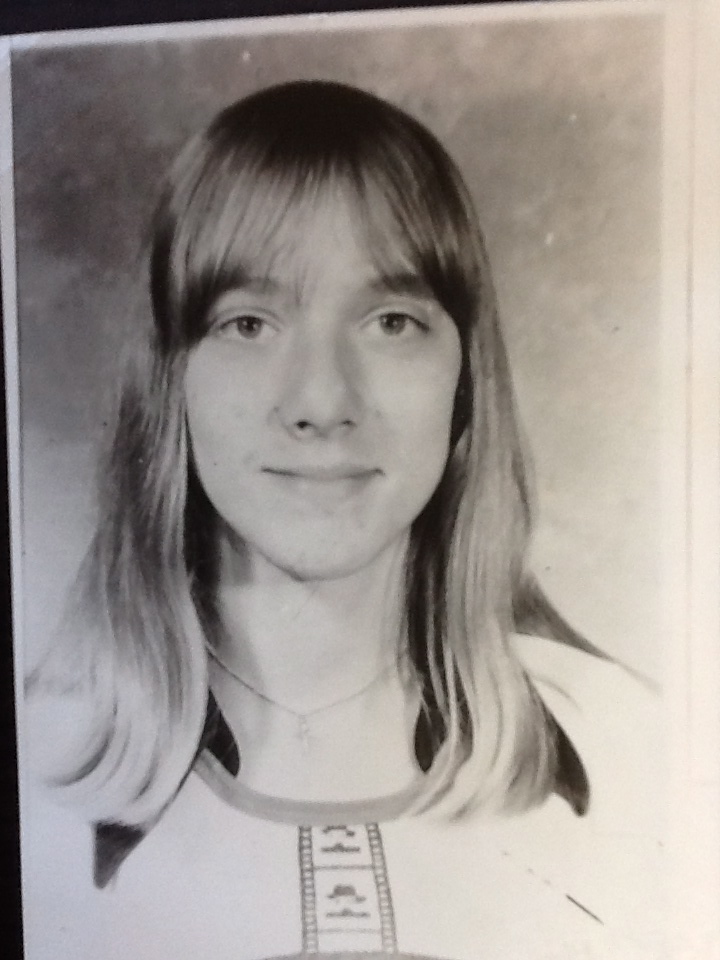
Joanne Dorion, a 17-year-old female from Fabreville in Laval, Quebec, vanished during the early hours of July 30, 1977, while making the familiar trip home from work. She was employed as a medical secretary at Montreal’s Sacré-Cœur Hospital in Cartierville and finished her shift at about 11:45 p.m. on July 29. Dorion boarded a Laval Transit Commission bus for Fabreville. The driver later told investigators that she got off at approximately 12:30 a.m.
near the intersection of Boulevard Arthur-Sauvé and Boulevard Sainte-Rose. It was the last confirmed sighting of her alive. Although the case is generally associated with July 30 as the date of her killing, available accounts establish that date as her disappearance; the precise time of death was not publicly determined.
By about 7:00 that morning, Dorion’s parents realized she had never returned to their home on 9th Avenue. They insisted that leaving voluntarily was out of character and reported her missing. Police and family members searched for her as concern mounted. At one point a relative offered a $5,000 reward in hopes of producing information. Investigators later recovered Dorion’s eyeliner in the parking lot of the Château Laval snack bar near the area where she had left the bus, suggesting that something may have happened very soon after she stepped off public transportation.
The search ended tragically on August 11, 1977. A 12-year-old boy walking near the Rivière des Mille Îles detected a strong odor and discovered human remains in a wooded area off a gravel road between 2nd and 3rd avenues in Fabreville. The location was only several blocks from Dorion’s last known bus stop and not far from her home. Her body was beneath trees near the river and was already in an advanced state of decomposition. Nearby was a Dominion shopping bag containing papers identifying her, and investigators also found the torn, bloodied sleeve of her blouse. Branches had apparently been placed over the body, leading to the possibility that the scene had been deliberately concealed or staged.
An autopsy determined that Dorion had been stabbed repeatedly. Accounts based on the original investigation describe approximately five or six knife wounds, with wounds to the torso causing massive hemorrhaging involving the heart and lungs. Because of decomposition, pathologists were unable to establish whether she had also been sexually assaulted. Her clothing had been torn, however, and investigators reportedly believed she had resisted her attacker. Her wallet was recovered near the body, but money that had been inside was missing. Police considered sexual assault a possible motive and also examined whether the missing money had been taken to make the killing appear to have been a robbery.
Another troubling detail emerged from the searches conducted after Dorion disappeared. The area near the Rivière des Mille Îles where her body was ultimately discovered had reportedly been searched by volunteers roughly two days after she vanished, without anyone finding a body. Investigators therefore considered the possibility that Dorion, or her remains, had been kept somewhere else before being moved to the riverside location. The placement of branches over the body reinforced suspicions that whoever left her there had attempted to conceal the crime.
Police questioned several people during the early investigation. Contemporary-case research indicates that three suspects were detained or brought in for questioning in the days following the discovery, but all were released. One person specifically identified in later accounts was Jacques Chaing, a man who had previously been arrested in connection with serious offenses including kidnapping, forcible confinement and murder. Investigators initially considered him a suspect in Dorion’s killing, but he reportedly had an alibi covering the relevant period and was released. Nothing found in available records indicates that Chaing was ever charged in connection with Dorion’s death.
The homicide occurred during a period in which a number of teenagers and young adults disappeared or were murdered around Montreal and Laval. Investigators and later researchers noticed that several victims, including Dorion and Chantal Tremblay, disappeared while relying on buses or other public transportation. Katherine Hawkes was killed several weeks later after traveling by bus as well. These similarities eventually led researchers to examine whether some of the crimes could have been committed by the same offender, but no such connection has been conclusively established.
Decades later, Dorion’s case was revisited in the 2020 Quebec documentary series Sur les traces d’un tueur en série. An episode devoted to her murder examined information from a former Sûreté du Québec investigator and explored another possible suspect as part of a broader theory that one or more serial offenders might have been responsible for unsolved sexually motivated killings around Montreal during the 1970s. Other independent researchers have subsequently discussed convicted murderer Luc Grégoire as a possible offender in a series of Quebec crimes from that era, but the published material presents that connection as a theory rather than an established finding, and no evidence publicly identified has tied him conclusively to Dorion’s murder.
Despite the suspects questioned in 1977 and the theories investigated in later decades, no one has been publicly charged, tried or convicted for killing Joanne Dorion. The homicide has continued to be described as unsolved, leaving unanswered what happened after she stepped off the bus in Fabreville during the early morning of July 30, 1977, who intercepted her, and whether the place where her remains were found nearly two weeks later was the location of the murder or merely the place where her killer ultimately left her.