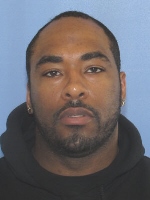
A quiet afternoon in a North Olmsted, Ohio, home was shattered by a violent altercation that left 22-year-old Abdulla Farraj dead from gunshot wounds. The fatal incident, which occurred on September 16, 2026, was not a random act of violence, but rather the tragic culmination of what appears to have been a history of familial strife. In the immediate aftermath, first responders found Abdulla still breathing, and he was rushed to Cleveland Clinic Fairview Hospital where he was pronounced dead. The person responsible for the shooting was quickly identified as his younger brother, 18-year-old Ameen Farraj.
The circumstances leading up to the shooting were detailed in frantic 911 calls made from the home on Lucydale Avenue. Both Ameen and his sister told dispatchers that Abdulla had been physically attacking their mother. In one call, the sister is heard saying, "My brother hit my mom and he got shot," and that her younger brother "was protecting me and my mother and my cousin." In a separate call, Ameen himself admitted to the shooting, telling the dispatcher, "I had to shoot him," and "He was hitting my mom." An attorney for Ameen would later state that Abdulla had violently attacked his mother, who was already battling breast cancer, causing her to fall and suffer a brain bleed that required treatment in an intensive care unit.
Ameen Farraj was arrested and charged with the murder of his brother. His attorney maintained that his client had acted in self-defense and in defense of his family members, citing Abdulla's history of violence. Court records confirmed that Abdulla Farraj had been arrested multiple times for domestic violence since 2023. After a review of the case, the Cuyahoga County Prosecutor's Office's Self Defense Committee determined that the state would be unable to prove beyond a reasonable doubt that Ameen Farraj was not acting in self-defense. Consequently, the murder charges against Ameen were dismissed, and the case was not presented to a grand jury. This overview encapsulates a family tragedy that ended with one brother's death and another's brief but serious legal battle, which ultimately concluded with the determination that the act was one of familial protection.