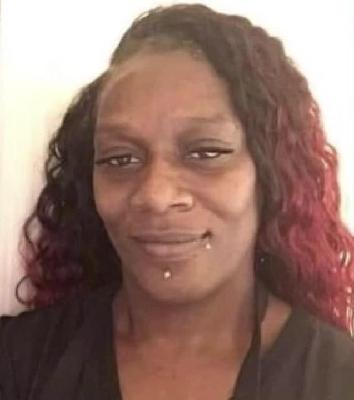
In the cold of a February morning in 1998, the body of 39-year-old Maryetta Griffin, a female, was discovered in a desolate, abandoned garage on the north side of Milwaukee, Wisconsin. She had been sexually assaulted and brutally strangled to death. Known as "Mercedes," Griffin's life had been a difficult one, marked by an addiction to crack cocaine and a life of prostitution to support her habit.
The day before her tragic end, she was seen at a local drug house run by a man named William Avery. This connection would soon lead investigators to his door, setting in motion a chain of events that would result in a grave miscarriage of justice.
Initially, prosecutors lacked sufficient evidence to charge Avery with Griffin's murder, though he was arrested shortly after her death. Instead, he was convicted on drug-dealing charges related to his crack house and sentenced to ten years in prison. However, law enforcement was not ready to let him go for Griffin's death. In 2004, as Avery was finishing his drug sentence, he was charged with first-degree reckless homicide in her killing. The case against him was built on the testimony of three jailhouse informants who claimed Avery had confessed to the murder while incarcerated with them. Based on this testimony, a jury found William Avery guilty in 2005, and he was sentenced to 40 years in prison.
For six years, Avery maintained his innocence from behind bars. In 2009, a breakthrough in a series of other cold cases would ultimately lead to his exoneration. The Wisconsin State Crime Laboratory discovered that DNA evidence from nine separate homicides all pointed to a single, unknown perpetrator. This person was later identified as Walter E. Ellis, a serial killer responsible for the deaths of at least seven women in Milwaukee over a 21-year period. Prompted by this news, Avery requested that DNA evidence from Maryetta Griffin's case be tested. The results were definitive: the DNA found on Griffin's body matched that of Walter Ellis, and Avery was excluded. In May 2010, William Avery's conviction was vacated, and he was released from prison, a free man who had been wrongfully convicted. While Ellis was convicted for seven other murders and later died in prison, he was never formally charged with Griffin's murder, though the DNA evidence strongly implicated him. The case of Maryetta Griffin's death is a tragic story that not only highlights the brutal end of a troubled life but also underscores the devastating consequences of a flawed investigation that led to an innocent man losing years of his life in prison.