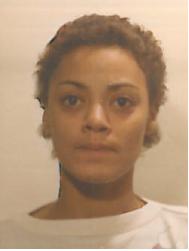
On the evening of July 4, 1979, the holiday's celebrations were pierced by a grim discovery in an isolated area of Denver's Montbello Industrial Park District. Police responded to a report of a body and found 23-year-old Joyce Ramey on a dirt road near East 56th Avenue and Havana Street. An investigation determined that the young woman, identified as a white female, had been strangled to death. For years, the brutal crime remained a mystery, her killer evading justice and leaving a void of unanswered questions for her family and the community. The case eventually grew cold, one of many unsolved homicides that haunted the city's law enforcement.
Decades later, a renewed effort by the Denver Police Department's Cold Case Unit brought Joyce Ramey's case back into the light. This specialized unit, supported by federal funds, was tasked with re-examining unsolved murders from the 1970s and 1980s, leveraging advancements in forensic science. Investigators identified a potential suspect in a man named Vincent Groves, who was already a convicted murderer. As they delved deeper, a pattern of violence began to emerge, connecting Groves to a string of unsolved homicides. The application of DNA technology became the key to unlocking the truth that had been buried for so long.
The breakthrough came when DNA evidence definitively linked Vincent Groves to the murder of Joyce Ramey. The same forensic testing also connected him to the slayings of three other women in 1979 and 1988: Emma Jenefor, Peggy Cuff, and Pamela Montgomery. It became clear that Groves was a serial killer who had preyed on vulnerable women. Although the evidence was strong enough to solve the cases, there would be no trial or conviction for Joyce Ramey's murder. Vincent Groves had died in prison in 1996 while serving sentences for other killings. The identification of Groves as the killer provided a resolution to the long-standing mystery of who was responsible for the death of Joyce Ramey, offering her family the answers they had awaited for over three decades, though the perpetrator would never face specific charges for this crime.