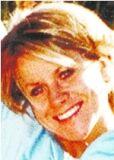
In the summer of 1988, the discovery of a young woman's body near the Surrey Ridge exit off Interstate 25 in Douglas County, Colorado, marked a grim chapter in the Denver area's history. The victim was identified as Diane Montoya Mancera, a 25-year-old Hispanic female. An autopsy would later reveal that she had been strangled to death. Her body was found on July 25, 1988, a detail that would become a key point in a much larger and more terrifying story of a serial killer preying on vulnerable
women in the metropolitan area. At the time of her death, it was known that Mancera was involved in prostitution in the Aurora area.
The investigation into Diane Mancera's murder was part of a broader look at a series of similar homicides that had been plaguing the region. The pattern of the crimes, particularly the targeting of women involved in sex work, led authorities to suspect a serial predator. Their investigation eventually led them to a man named Vincent Darrell Groves, an African American man with a prior criminal record. Groves had been previously convicted for the 1981 murder of a 17-year-old girl, for which he had served time before being paroled in 1987. His release, however, was not the end of his violent tendencies.
By September 1, 1988, Vincent Groves was arrested in connection with multiple murders, including that of Diane Mancera. A critical piece of evidence linking him to her death was DNA found on her body. This forensic evidence played a significant role in the case against him. In 1990, Groves was convicted for the murder of another woman, Juanita “Becky” Lovato, and received a life sentence. For the death of Diane Mancera, he was handed an additional 20-year sentence. Groves was suspected of being responsible for the deaths of at least seven women, with some investigators believing the number of his victims could be as high as twenty. His reign of terror came to an end with his incarceration, and he ultimately died in prison on October 31, 1996. Years after his death, in 2012, advancements in DNA profiling posthumously linked him to four additional murders, solidifying his reputation as one of Colorado's most prolific serial killers.