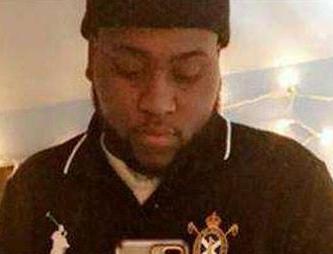
In the winter of 2004, a quiet residential street in Garner, North Carolina, became the scene of a mystery that would linger for over two decades. On the evening of January 6th, 16-year-old Joshua Matthew Davis was walking with his cousin in the Vandora Village neighborhood, heading towards his own home. The two briefly separated when his cousin went back to his house to get something. In those few minutes, the ordinary evening turned tragic.
When his cousin returned, he found Joshua lying on the side of Hall Boulevard, bleeding from a catastrophic head injury. The young male was rushed to Wake Medical Center, but his life could not be saved.
Initially, investigators treated the case as a hit-and-run. The theory was that a vehicle had struck Joshua and fled the scene. However, as the investigation progressed, this explanation began to crumble. There was a conspicuous lack of evidence to support a vehicle collision; no debris was found at the scene, no paint transfer on Joshua's clothing, and the nature of his skull fracture, according to the medical examiner, was inconsistent with a typical traffic accident. A witness reported seeing a young white male wearing a white hoodie and Carolina blue athletic pants in the vicinity, and a composite sketch was released, but this lead did not result in any arrests. With no clear answers, the investigation stalled, and for years, Joshua's death was officially considered an unsolved homicide, leaving his family with a painful void and a desperate search for the truth.
For nearly twenty years, the case remained cold, a lingering question in the community. Then, a significant breakthrough brought the case back into the spotlight. The investigation was reclassified from a hit-and-run to a homicide, and in 2026, a search warrant was executed that identified a person of interest: Megan Bess Potter, a police officer with the Four Oaks Police Department. Shockingly, Potter was not a stranger to Joshua; she had attended high school with him and had even signed the guest book at his funeral. The warrant was based in part on a tip first provided to law enforcement in 2010 by Potter's ex-husband. During a renewed investigation, agents from the North Carolina State Bureau of Investigation and Garner Police re-interviewed Potter and her former spouse. Investigators noted inconsistencies in Potter's statements over time. The search of her home resulted in the seizure of electronics and digital evidence for forensic analysis. While this development brought a fragile hope for closure to Joshua's family, no charges have been filed against the officer, and no arrests have been made. The case of Joshua Matthew Davis remains an active and unsolved homicide investigation, a story of a young life cut short and a family's long wait for justice that has been punctuated by a startling new lead involving someone from within his own circle.