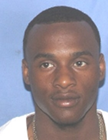
Hiram Profitt was a male patient in Cincinnati, Ohio, whose death on September 19, 1984, was eventually tied to hospital worker and serial killer Donald Harvey. Online accounts of Harvey’s victims do not provide Profitt’s age or ethnicity. Profitt died after receiving an excessive dose of heparin, an anticoagulant medication used to prevent blood clots. Later accounts describing Harvey’s crimes characterized Profitt’s death as an accidental killing within Harvey’s much broader series of hospital deaths, rather than as one of the deliberate poisonings or suffocations Harvey carried out against other victims.
At the time Profitt died, Harvey was working within Cincinnati’s Veterans Administration medical system, where he spent roughly a decade in positions that included morgue attendant and cardiac-care assistant. Harvey had access to seriously ill patients and to medications, circumstances that allowed many of his crimes to pass initially as natural medical deaths or complications. Profitt’s September 1984 death occurred years before authorities understood the scale of Harvey’s conduct. Nothing in the available online material indicates that Profitt’s death immediately resulted in a homicide investigation, an arrest, or criminal charges. Instead, it remained part of a much larger pattern that emerged only after another patient’s suspicious death in 1987.
The investigation that finally exposed Harvey began after the March 1987 death of Drake Memorial Hospital patient John Powell. An autopsy detected cyanide, turning what might otherwise have appeared to be another hospital death into a criminal investigation. Harvey, who had worked at Drake after leaving the Cincinnati VA system, became the principal suspect and was arrested in April 1987. As detectives, prosecutors, hospital personnel and journalists began examining earlier deaths connected to him, Harvey admitted responsibility for numerous killings extending back many years. Profitt’s death was among the earlier Ohio deaths attributed to Harvey, with accounts stating that Harvey had administered the wrong or excessive dosage of heparin.
By August 1987, the investigation had expanded dramatically. Harvey admitted killing dozens of people, most of them hospital patients, and prosecutors convened a special Hamilton County grand jury. He ultimately entered guilty pleas in Cincinnati to the aggravated murders of 24 people, along with attempted aggravated murder and felonious-assault charges. Contemporary reporting described the agreement as a negotiated resolution under which prosecutors would not seek the death penalty in exchange for Harvey pleading guilty to the criminal charges then filed against him. He was sentenced to three consecutive life prison terms.
Harvey’s admissions eventually reached far beyond the initial Cincinnati prosecution. Investigators learned that he had killed patients during earlier hospital employment in Kentucky as well as during his years in Cincinnati. He later pleaded guilty in Kentucky to additional murders, and further Cincinnati cases surfaced after his first sentencing. The final number attributed to him varied depending on whether authorities counted convictions, confessions or suspected killings, but he became one of the most prolific known health-care serial killers in the United States. Profitt’s death was incorporated into that history as one of Harvey’s Ohio victims, although available accounts distinguish it from many of Harvey’s intentional murders by describing the heparin overdose as accidental.
No separate suspect has been identified in the available online accounts concerning Profitt’s death. Donald Harvey was the individual linked to it, and there is no indication that another person was arrested or charged in connection with Profitt. Harvey’s arrest came roughly two and a half years after Profitt died and resulted from the broader investigation into suspicious hospital deaths rather than from an immediate investigation of Profitt’s case alone. Harvey’s eventual guilty pleas and life sentences resolved the larger series of Cincinnati killings without individual trials for each victim, meaning there was no separate trial devoted solely to the death of Hiram Profitt.