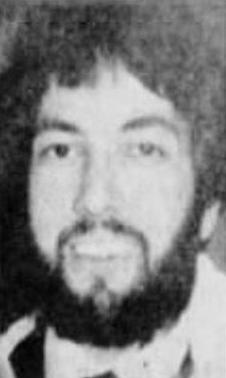
On a quiet Saturday morning, December 10, 1994, the festive pre-holiday atmosphere in a North Caldwell, New Jersey, home was irrevocably shattered. Thomas J. Mosser, a 50-year-old advertising executive, was in his kitchen when he opened a package that had been delivered to his house the previous day. The package, about the size of a videotape, exploded with devastating force, killing him almost instantly. His wife, Susan, and their two daughters, ages 13 and 15 months, were in other parts of the house at the time and were not physically harmed by the blast that tore through their kitchen. The day that was supposed to be for picking out a Christmas tree turned into a day of unimaginable horror and loss.
The initial investigation left authorities searching for a motive, as Mosser was described by friends and colleagues as a thoughtful and low-key family man who had just been promoted to executive vice president and general manager at the advertising agency Young & Rubicam.
The bomb was sophisticated, and investigators soon linked its construction to a string of previous attacks attributed to a serial bomber the FBI had code-named "UNABOM," for his early targets at universities and airlines. This elusive figure had been active for 16 years, responsible for one other death and numerous injuries across the country. The bomber, it would later be revealed, targeted Mosser due to a mistaken belief that his firm was involved in repairing Exxon's public image after the Valdez oil spill.
The reign of terror orchestrated by the Unabomber continued for another year and a half, instilling fear and baffling law enforcement. A significant breakthrough came when the bomber sent a 35,000-word manifesto to major newspapers, threatening more violence if it wasn't published. The Washington Post and The New York Times jointly published the document, a decision that ultimately led to the bomber's downfall. A man named David Kaczynski read the manifesto and recognized the writing style and ideologies as those of his estranged brother, Theodore "Ted" Kaczynski. He alerted the FBI, providing them with the crucial lead they had been seeking for nearly two decades. On April 3, 1996, federal agents arrested Ted Kaczynski at his remote, one-room cabin in Montana, where they discovered a wealth of evidence, including bomb-making materials and extensive journals detailing his crimes. Kaczynski, a former mathematics prodigy, was indicted for the string of bombings, including the murder of Thomas Mosser. To avoid the death penalty, he ultimately pleaded guilty to all charges and was sentenced to four consecutive life terms in prison without the possibility of parole. The case of the Unabomber, which had held the nation captive with its random and deadly violence, was officially closed, bringing a measure of justice for the victims of his long and brutal campaign.