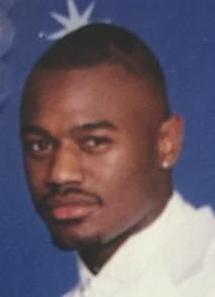
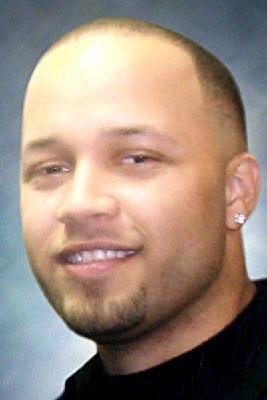
On a tragic Saturday night, May 9, 2026, in Anderson, Indiana, the life of 58-year-old Rodney D. Riall was unexpectedly cut short. That evening, deputies from the Madison County Sheriff's Department were dispatched to a residence in the 3000 block of North 200 West following a 911 call about a death investigation. Upon their arrival after 11:30 p.m., they discovered a grim scene. Rodney D. Riall was found deceased between the home and a detached garage, having sustained several gunshot wounds.
Tragically, his son, 37-year-old Koty L. Riall, was also found dead in the detached garage from what investigators believed to be multiple wounds from a sharp-edged weapon. The incident, which is believed to have stemmed from a physical altercation between the two Riall men and another individual, plunged their family and the community into deep grief.
In the immediate aftermath of the discovery, a 41-year-old Anderson man, John Christopher Worley, was arrested at the scene and faced preliminary charges of two counts of murder. Worley was subsequently booked into the Madison County Jail. The investigation into the double homicide suggested a physical dispute had occurred among the three men. According to court documents, the altercation began between Koty Riall and Worley, with Rodney Riall intervening. Witnesses at the home reported that Worley had been drinking and making erratic statements. The situation escalated, leading to the fatal injuries of both father and son.
However, the legal proceedings took a significant turn when the Madison County Prosecutor's Office announced it would not be filing formal murder charges against John Christopher Worley. Prosecutor Rodney Cummings stated that there was "credible evidence" to support a claim of self-defense by Worley. Cummings explained that under Indiana law, the prosecution would need to disprove the self-defense claim beyond a reasonable doubt, and they lacked the evidence to do so. According to the prosecutor's account, Worley was attacked by the two men and was on the ground with them on top of him when he used a knife to stab one. He stated that the father then attacked him a second time and was killed. The prosecutor's office concluded that they could not ethically proceed with murder charges based on the available evidence, although the case could be reviewed if new information emerged. This decision brought an end to the criminal case against Worley, leaving the community to grapple with the violent deaths of a father and son and the complexities of a self-defense claim.