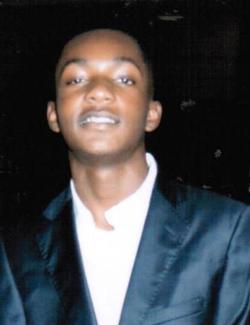
Samuel Ruben Caraway II, 18, male, died on March 26, 2026, in Houston, Texas, and the public record that surfaced afterward was heartbreakingly spare, the kind of thin trail that often follows a young life cut short too soon. Online memorial and obituary records identify him by name, fix the date and city with certainty, and indicate that his death was the result of gun violence, but beyond that, the public-facing details fall quiet.
What remains in those sources is the outline of loss: a teenager gone in Houston at the end of March, leaving family and mourners to carry the weight of what happened after the violence itself had already passed.
In the days that followed, the record shifted from the fact of his death to the rituals that come after it. Ross Mortuary’s notice states that his obituary was posted on March 30, with visitation and funeral services scheduled for April 11, 2026, at Pleasant Hill B.C. on Pannell Street, followed by burial at Houston Memorial Gardens Cemetery. Those details give the story its most human shape, because they show where grief gathered and where the family was meant to say goodbye. The online notices do not paint a full portrait of who he was in life, but they do show that he was mourned in a formal, public way, and that his death rippled outward into a church, a funeral procession, and a burial ground in Houston.
As for the question of who was responsible, the publicly available online sources I found do not identify a suspect, do not report an arrest, and do not describe any filed charges, trial proceedings, or conviction tied to his death. The available web record appears limited mainly to obituary and gun-violence memorial entries, and while those confirm that he was killed, they do not publicly answer the larger questions that follow a homicide: who did it, whether investigators named anyone, or whether the case has moved toward prosecution. In that silence, the story remains unresolved in the public sphere, with Samuel Ruben Caraway II remembered online more clearly as a victim than through any publicly documented account of justice that may or may not still be unfolding.