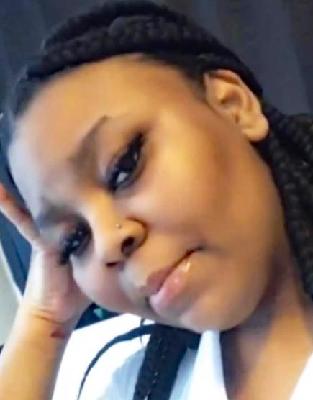
Sheridan Gorman, an 18-year-old female Loyola University Chicago freshman, was killed in the early hours of March 19, 2026, near Tobey Prinz Beach in Rogers Park after what began as an ordinary late-night walk with friends turned into something sudden and brutal. She had gone out with a group from her dorm near the Lake Shore campus, and according to police and later court reporting, they made their way toward the pier, with family members saying they may have been hoping to catch a view of the
skyline and even the northern lights. Somewhere near the end of that walk, a masked gunman approached and opened fire. Initial police accounts said Sheridan was struck in the head and died at the scene. Her family's response was immediate and unwavering: they rejected any soft language around what happened and described it plainly as murder, saying the young woman they lost was the light of their lives and someone who made other people feel safe, seen, and loved.
In the first days after the shooting, the case felt like one more nightmare without a face. Students mourned at vigils, classmates spoke about the shock of realizing someone from an ordinary class seat would never return, and the fear around campus settled in almost immediately. Loyola alerts and police updates described a gunman who had come up on foot and fired toward the group, while early reporting said Sheridan did not appear to be the intended target. That detail only deepened the sense of randomness around the killing, because there was nothing in the public record to suggest she had been in the middle of any dispute. She was simply a freshman out with friends near campus, and by sunrise her death had become the kind of story that leaves a city asking how quickly a normal night can be stolen away.
The investigation moved quickly after that. Authorities later said a suspect was identified as 25-year-old Jose Medina-Medina, also referred to in some coverage as Jose Medina, and he was arrested on March 20. Prosecutors said the case against him was built in part through security video and evidence recovered after detectives tracked the suspect to his home. NBC Chicago reported that prosecutors said the shooter had been hiding behind a lighthouse on the pier before emerging and firing, and that officers recovered a handgun with ammunition matching the bullet that killed Sheridan. He was charged with first-degree murder, attempted first-degree murder, three counts of aggravated assault involving the discharge of a firearm, and one felony count of aggravated unlawful use of a weapon for lacking a Firearm Owners Identification Card.
Public attention then shifted from the mystery of who did it to the deeper questions surrounding the suspect himself. Federal officials said Medina-Medina is a Venezuelan migrant they allege entered the United States illegally, and ICE issued an arrest detainer asking local authorities not to release him. Reporting also surfaced that he had a prior 2023 misdemeanor shoplifting case in Chicago and had failed to appear for a hearing in that matter, resulting in a warrant. By the time he was expected in court for proceedings tied to Sheridan's killing, he did not appear in person because, according to court officials cited by NBC Chicago, he was hospitalized for tuberculosis. A judge ordered him detained and appointed a public defender, with a detention hearing scheduled afterward. As of the latest reporting available, there had been an arrest and formal charges, but no trial, conviction, or final adjudication yet.
What remains in the wake of all that procedure is the shape of the life that was interrupted. Friends, classmates, and family members described Sheridan not through the violence of her death, but through the steadiness of her presence: a quiet, warm young woman with a strong faith, someone whose kindness seemed to draw people in and whose future still felt as though it was only just opening. Her family made clear that an arrest was not the same thing as justice, only the first step toward it. That is where the case stands in the public record right now: a young student dead after a predawn shooting near her university, one suspect under arrest and charged, and a family trying to carry both grief and outrage at once while the criminal case begins to move through court.