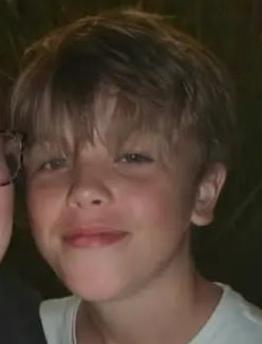
Carter Jesse Black was a 14-year-old White/Caucasian male from Salina, Kansas, whose life ended after a shooting inside a south Salina home during the first weekend of 2026. Although some records associate the case with January 2, that was the date Carter was shot; online reports and his obituary state that he died the following day, January 3, 2026, at Wesley Children’s Hospital in Wichita.
At approximately 9:41 p.m.
on Friday, January 2, Salina police and emergency personnel were dispatched after receiving a report of a shooting in a residential area on the city’s south side. Early information connected the incident with the Southwind Apartments neighborhood, but police later issued a correction clarifying that the shooting had actually occurred inside a private single-family residence in the 100 block of Raleigh Street and was not connected with the apartment complex. First responders found Carter suffering from a single gunshot wound. He was initially taken by ambulance to Salina Regional Health Center in critical condition and was subsequently transferred to a Wichita hospital because of the severity of his injuries.
Police quickly detained a 15-year-old acquaintance of Carter. At the time of the initial arrest, the teenager was booked into juvenile detention on allegations of aggravated battery and criminal use of a weapon. Carter remained critically injured through the following day. At approximately 9:19 p.m. on January 3, authorities reported that he had been pronounced dead at Wesley Medical Center in Wichita. His death changed the direction and seriousness of the criminal case, and investigators began working with the Saline County Attorney’s Office on revised charges. Police also said the investigation remained active and that additional arrests or charges were possible.
Subsequent juvenile court proceedings publicly identified the accused teenager as Collin Arroyo. Prosecutors accused Arroyo of shooting Carter inside the south Salina residence and charged him with reckless second-degree murder and criminal use of a weapon. Court reports also listed charges of possession of marijuana, possession of a hallucinogenic drug, and possession of drug paraphernalia. These allegations remained criminal charges rather than findings of guilt, and Arroyo continued to be treated as an accused juvenile while the case proceeded.
Carter's mother, Heidi Black, later described learning about the shooting in a particularly painful way. Carter had been spending Friday evening at a friend's house when she heard emergency sirens nearby. At first, she did not realize her son was involved. As information about the location began circulating, she recognized the address and realized something was terribly wrong. In an interview after Carter's death, she said she still wanted answers about exactly how the shooting happened and expressed hope that the gun had been fired accidentally rather than intentionally by someone Carter knew and trusted. She described the tragedy as preventable and spoke about how quickly one decision involving a firearm could permanently change lives.
Away from the circumstances of his death, Carter was remembered as an energetic teenager with a wide range of interests. His family described him as a gifted fisherman, hunter and athlete who enjoyed wrestling, baseball, dirt biking, airsoft and playing guitar. He frequently rode his bicycle carrying fishing equipment and enjoyed spending time outdoors with relatives. His mother remembered him for his genuine heart, humor and ability to make people laugh, emphasizing that she wanted people to remember who Carter was rather than allowing the shooting to become the defining fact of his life.
After doctors determined that Carter could not survive his injuries, his family chose organ donation. His mother later said doctors maintained his body on life support long enough for transplant teams to reach Wichita and complete the donation process. Carter's kidneys and liver were donated, giving other patients a chance at longer lives. His family later received correspondence from one of the recipients, providing them with a deeply personal reminder that something life-giving had emerged from the tragedy.
The criminal proceedings continued through the months after Carter's death. At a January detention hearing, the court ordered Arroyo to remain in juvenile custody while prosecutors and defense attorneys prepared the case. In February, Judge Claire Serrault-Wiseman again ordered that he remain detained at the North Central Kansas Regional Juvenile Detention Facility in Junction City. Prosecutors cited community-safety concerns, while the defense agreed that continued detention was appropriate at that stage. Questions also remained about whether prosecutors would seek to have Arroyo tried as an adult and whether anyone else could ultimately face charges.
By an April 16 court appearance, the case was still in the discovery phase. Arroyo's attorney reported receiving approximately 500 documents and said he had been able to review only a portion of them with his client, with considerably more evidence still expected. The judge continued Arroyo's detention because of the seriousness of the allegations, concerns for the safety and property of others, and the need to ensure his future court appearances. At that point, no decision had yet been publicly reported on whether the case would be transferred for adult prosecution.
The most recent publicly accessible reporting located for the case did not document a completed trial or conviction. Arroyo therefore remained accused of reckless second-degree murder and the related offenses while the juvenile case continued through the court system. Carter's family, meanwhile, continued to memorialize him not simply as the victim of a fatal shooting, but as a son, brother, athlete, outdoorsman and friend whose final act through organ donation allowed others to continue living.