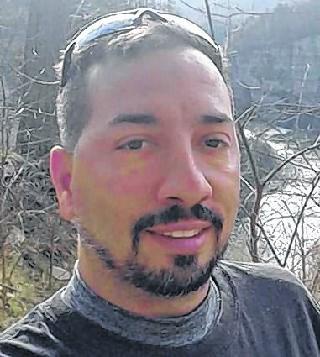
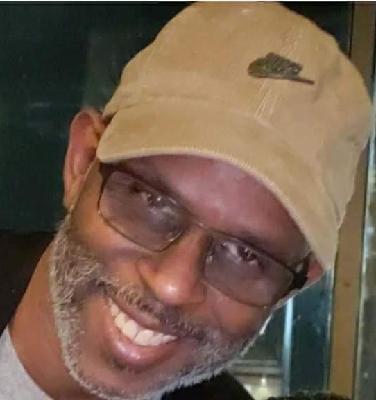
Michael Jackson was a 32-year-old man from Buffalo, New York, who died on December 1, 2013. The way his death is remembered carries the kind of quiet shock that families never quite get over, because it arrived too soon and left too much unsaid. One day he was part of the everyday rhythm of the people who loved him, and then suddenly he was gone, leaving behind a space that could never be filled the same way again.
For the people closest to him, he wasn’t a name in an announcement or a date on a calendar. He was “Big Mike,” someone with a presence big enough that it became part of how others spoke about him, part of how they held him in their hearts. He was engaged, with a future that should have unfolded in normal, ordinary milestones. He was also a father, and that is the kind of role that doesn’t end with death, because it lives on in the children who carry their parent’s story forward in memory, in questions, in the pieces of identity that form as they grow. His children, Jamielex and Janehlee, were left to grow up in a world where their dad could only be reached through photographs, stories, and the way others spoke his name.
His family was large, the kind of family where love stretches outward in many directions. He was the son of Mary Lawrence and Andrew Jackson, and he had siblings who were part of his life’s foundation: Jason, Christopher, Krystal, and Sabrina. There were relatives beyond them too, grandparents and extended family whose grief would have traveled through every branch of that family tree, because when someone dies young, the loss ripples through everyone who expected to share more years. Even among those who weren’t tied by blood, there were people connected through the role he played in their lives—those who knew him in the everyday way that matters most, the way that leaves behind specific memories: his voice, his laugh, his habits, the sound of him coming into a room.
After he died, the people who cared about him gathered to honor him. The service, held at Renovation Church on Hertel Avenue, would have been heavy with the kind of emotion that doesn’t need speeches to be understood. In a room like that, grief isn’t just sadness—it’s a recognition of how much life was supposed to remain. It’s the ache of unfinished time. It’s the love that has nowhere to go except into prayers, tears, and the arms of family members holding each other up. People come together at funerals to say goodbye, but also to reassure themselves that the person mattered, that their life touched others, that their name will keep being spoken.
And in the years after, that love didn’t fade. The words left behind in remembrance speak of a wound that time doesn’t neatly close. The kind of remembrance that says someone is missed “more today than yesterday” is the kind that comes from living with the absence, from learning to carry it. It suggests a mother still speaking to her son in her heart, still measuring the days without him, still insisting, through love, that he is not forgotten. There’s a tenderness in the hope that he is at peace—because the living keep searching for something that feels like rest, something that makes the loss bearable, something that helps them picture him beyond pain and beyond the weight of what was taken.
This is how his story remains: as a man gone too soon, remembered through the roles he held and the love he left behind. A son, a fiancé, a father, a brother, a presence. Even without more details, the shape of the loss is clear in what survives. It is a story told in family names, in the gathering of mourners, in the quiet insistence that he is missed, and in the way Buffalo holds his memory through the people who still carry him with them.