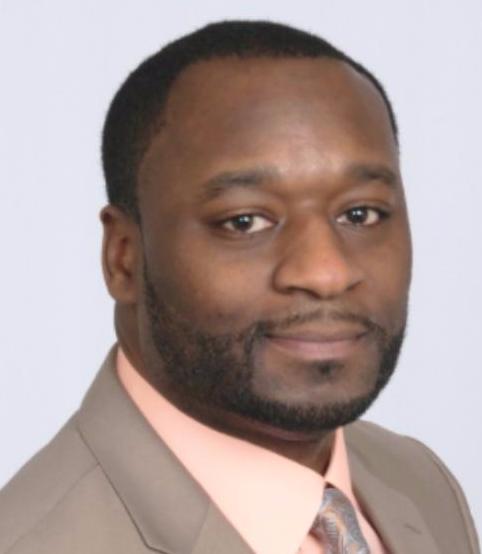
Shawndale Lipscomb, a 26-year-old Black man from Buffalo, New York, was killed in a shooting on Ivy Street on the city’s East Side on Thursday morning, October 8, 2015.
As the day began, police responded to reports of gunfire on Ivy Street, where a man was found dead at the scene; early accounts put the shooting at around 8 a.m. The block sits in a tight corridor between larger, busier streets, a place where neighbors would have been waking up, leaving for work, or heading out for
school—only to find the street abruptly cordoned off and patrolled as investigators moved through the aftermath.
In the months that followed, Lipscomb’s name surfaced in a wider, darker chain of events that police and local reporting characterized as a cycle of retaliation. Authorities believed Lipscomb had been involved in an earlier killing in the Town of Tonawanda on August 30, 2015, in which Anthony L. Stallworth was shot to death in the Sheridan-Parkside neighborhood. Police later described what came next—Lipscomb’s death in Buffalo and the September 1, 2015 killing of Damon Hall on Broadway—as “street justice” connected to that Tonawanda homicide.
Publicly available reporting about Lipscomb’s death does not describe any arrests or a named suspect in his killing, and the accounts that link his death to the earlier Tonawanda case frame the motive as payback rather than a random act. What remains, in the record that’s been made public, is the image of a morning shooting that ended his life on Ivy Street—then rippled outward into a narrative of grievance and reprisal that investigators said was already reshaping violence across the city that year.