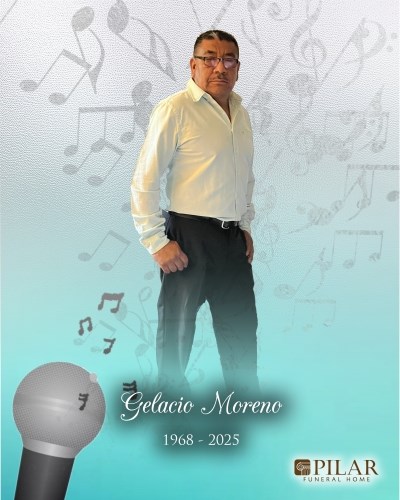
Gelacio Moreno, a 56-year-old Hispanic man from Dallas, had gone out with his family on the night of November 15, 2025, expecting nothing more than a shared meal and a few hours of conversation. It was a Saturday, and they gathered at El Rey del Mariscos, a seafood restaurant on Singleton Boulevard in West Dallas, a place where families come and go under the neon glow and the steady hum of traffic.
Outside, in the parking lot, the ordinary rhythm of the evening quietly shifted toward tragedy as a dispute over something as mundane as a parking space began to escalate. Witnesses later described a confrontation with another driver who appeared to be intoxicated, arguing heatedly over where to leave his vehicle, a scene that grew sharper and more dangerous with every exchanged word.
The argument moved beyond raised voices. According to reports, the other driver produced a firearm during the confrontation, turning a petty disagreement into a deadly encounter in an instant. In front of his loved ones, Moreno was struck by a gunshot, collapsing in the same parking lot where moments before they had simply been arriving for dinner. The sound of the shot cut through the night, sending his family and bystanders into panic as calls to 911 went out and people rushed to help. Dallas Police officers responded around 10:05 p.m. to the 3300 block of Singleton Boulevard, finding him critically wounded as emergency crews worked to stabilize him.
Dallas Fire-Rescue transported him from the scene to a nearby hospital, but the injury was too severe. Moreno was pronounced dead not long after his arrival, his life ending in a sterile hospital room far from the warm chatter of the restaurant and the familiar comfort of his home. Official police statements later confirmed that he had died from the gunshot wound, and that the shooting was being investigated as a homicide. On neighborhood news sites and crime reports, his name joined the growing list of people lost to gun violence in the city that night, one of multiple homicides that underscored how quickly routine moments can become irrevocably altered.
In the days that followed, Moreno's family and friends began to speak publicly about the man behind the crime scene tape and police case number. Obituaries and memorial pages described him as a loving husband, caring father, and devoted grandfather whose warmth filled family gatherings and whose kindness left an imprint on everyone around him. He was remembered as someone whose family was the center of his world, a man who worked hard, cherished his children and grandchildren, and was the kind of relative people naturally gathered around during holidays and celebrations. A fundraiser organized in his name spoke of a cheerful presence, loved by many, and asked the community to support his wife and children as they faced funeral expenses and the sudden emptiness his death left behind.
While his family mourned, detectives focused on the search for the person responsible. Police reported that the shooter fled the scene after the parking lot dispute turned deadly, leaving officers with an unknown suspect and a grieving family demanding justice. As of the latest updates, investigators had not announced any arrests in connection with the case, and the suspect remained at large. Dallas Police repeatedly appealed to the public for information, urging anyone who might have seen the confrontation, recognized the driver, or captured the incident on nearby cameras to come forward. Each request underscored that Moreno's death was not just another statistic in the city's crime logs, but an unresolved wound for a family and a community waiting for answers, hoping that someone's courage to speak up will finally point investigators to the person who turned an ordinary night out into a lifelong loss.