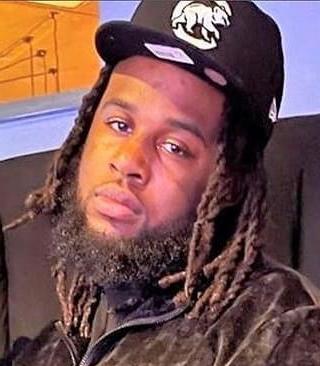
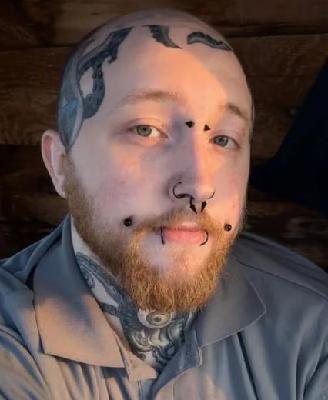
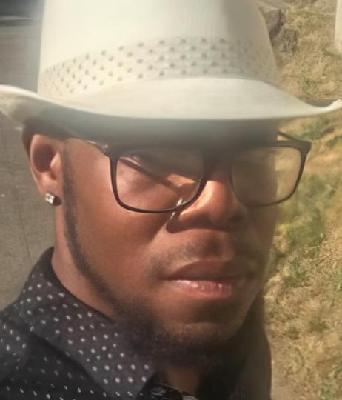
Taylor J. Ritter, a 20-year-old White male from Gresham, Oregon, had grown up with deep roots in the Portland area and was remembered by those close to him as warm, quick to smile, and deeply devoted to the people he loved. Family and friends later described how he lit up when he was outdoors, whether he was hunting, fishing, or shooting hoops with friends, and how he dreamed in concrete terms about building a stable future, including returning to the small Montana community of Shelby where he
had once lived with extended family, worked a steady job, and begun picturing a life with his own farm and family under the wide sky.
In the early morning darkness of Sunday, November 2, 2025, those plans were abruptly cut short in a downtown Portland parking lot. Shortly after 4:20 a.m., officers from the Portland Police Bureau’s Central Precinct were sent to a report of a person lying on the ground in a lot off the 300 block of Southwest 3rd Avenue, a stretch of downtown bordered by offices and nightlife that is usually quiet at that hour. When they arrived, they found Taylor on the pavement; paramedics were called in but could only confirm that he was already dead. Evidence at the scene indicated he had been shot, and the Multnomah County Medical Examiner later ruled his death a homicide caused by a gunshot wound.
As news of the killing spread, the sterile language of official releases was quickly replaced by the raw grief of a family trying to understand how an ordinary night had led to such a senseless loss. Loved ones created an online fundraiser to help with funeral costs, speaking of the suddenness of his death and of a family thrown into “unimaginable” pain, and community members from Oregon and Montana added their condolences. In media interviews, his mother described the moment she learned what had happened as feeling like a cruel joke, something that could not possibly be real, and pleaded with anyone who knew anything about the shooting to step forward. Obituaries and memorial pages painted a consistent portrait of a young man whose laughter came easily, who called Shelby his “home” after living there for a time, and who talked often about wanting to take care of his family as he got older.
From the beginning, detectives treated the case as an active homicide investigation, closing nearby streets while members of the Portland Police Homicide Unit worked the scene and collected evidence. Yet the person or people responsible were gone before officers ever arrived. Official statements from police and multiple news outlets note that the suspect or suspects left the area prior to first responders reaching the parking lot, and no immediate arrests followed. In the days that have passed since, authorities have repeatedly emphasized that the case remains open, asking the public to contact the homicide tip line with any information and consistently refraining from naming any suspect or announcing any charges. Public reporting up to this point contains no indication that a suspect has been identified or arrested, leaving Taylor’s family and community in the limbo of unanswered questions, waiting for someone to come forward so that the story of his final moments can be fully told and those responsible can be held to account.