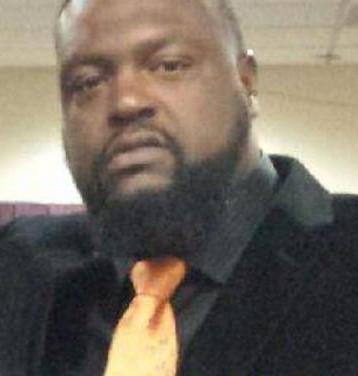
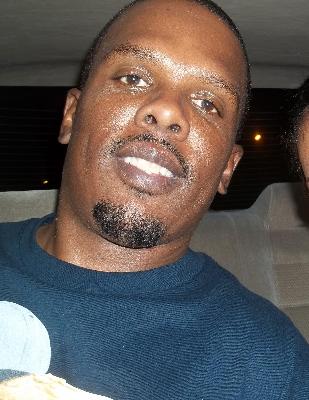
Marques Jeter, a 48-year-old man from Oakland, started November 6, 2025, as another day in a city he knew well, but that morning would end in violence at a familiar corner. Late in the morning, East Oakland’s 98th Avenue was busy in its usual way, traffic rolling past Elmhurst Park and locals cycling through the pumps and storefront at the 98th Ave Gas Station.
Sometime just after 11:30 a.m., on that stretch of pavement near the intersection of 98th Avenue and C Street, a confrontation unfolded that would draw police, paramedics, and eventually homicide detectives to the scene.
Witness accounts and police reports describe some kind of fight breaking out among the men at the gas station, a physical altercation that escalated with terrifying speed. What began as a dispute turned into a shootout, with gunfire erupting in broad daylight in front of the pumps and the convenience store. When the shots stopped, two men lay critically wounded: Jeter and another man, later identified as Laroy Ezeb. Responding officers arrived around 11:36 a.m. and found them already beyond saving, both suffering from gunshot wounds so severe that they were pronounced dead where they fell, the quiet of death replacing the chaos that had shattered the late-morning routine.
In the immediate aftermath, the gas station was transformed into a crime scene, cordoned off with yellow tape as investigators walked the asphalt, marking shell casings and photographing vehicles that had been caught in the crossfire’s orbit. The intersection—so ordinary on most days—became a focal point in yet another chapter of East Oakland’s struggle with gun violence, a place where residents had already grown used to the sound of sirens and the sight of police lights. Detectives worked through the day and into the night, piecing together security footage, statements from witnesses, and fragments of information that suggested the violence had grown out of a personal dispute, though it remained unclear whether the two men had been fighting each other or someone else who pulled the trigger.
Amid the confusion at the gas station, officers also detained a third individual, suspected of removing a 9mm Glock 26 pistol from the scene after the gunfire. That detail hinted at a moment of frantic movement in the seconds after the shots—someone grabbing a weapon and trying to get it away from the spreading circle of police cars and curious onlookers. While investigators worked to determine exactly who had fired and why, the detention underscored how quickly crucial evidence can be disturbed in the chaos that follows a shooting, and how many lives can intersect at a single violent moment.
In the days that followed, the case moved from frantic response to focused pursuit. Homicide investigators identified a suspect, and authorities announced that a man named Darryl Malone had been arrested in connection with the double killing at the 98th Ave Gas Station. Police said the shooting was tied to the earlier fight at the station, but they stopped short of explaining exactly what sparked the confrontation or how each person became involved. The relationship between Malone and the two men he was accused of helping to kill remained murky, and investigators emphasized that the case was still active as they sought more witnesses and information. Even with an arrest, the picture of what happened that morning—who threw the first punch, who drew a gun, who made the split-second decisions that turned an argument into a double homicide—remained incomplete, suspended in the limbo of an ongoing investigation.
Behind the headlines, Jeter’s name quietly joined the long list of people lost to gun violence in Oakland. On memorial pages, he is remembered not as a crime statistic but as a person: someone described as kind, loyal, giving, honest, and “amazing,” a man who worked in medical transport and whose life had been built around helping others move safely from one place to another. Now, people light virtual candles in his memory, small digital flames standing in for the real ones that might flicker at a street-corner vigil. His death, sudden and public, became one more reminder of how quickly an ordinary day can fracture, and how a familiar gas station, on a familiar block, can become the place where a life ends and a community is left to grieve and to wonder what might have changed the course of those final minutes.