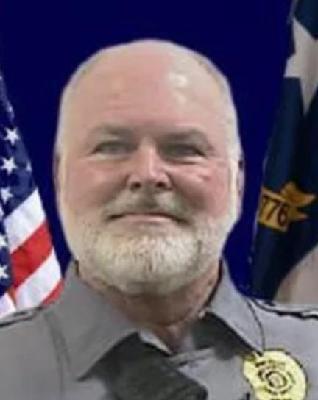
Roger Smith, a 59-year-old male police officer with the WakeMed Campus Police & Public Safety Department, reported for duty on the morning of Saturday, November 8, 2025, at the WakeMed Garner Healthplex in Garner, North Carolina. It was a familiar setting for him: he had spent more than a decade policing WakeMed facilities, following 16 years as a sworn officer with the Knightdale Police Department, building a law enforcement career that spanned roughly three decades. Colleagues and community members later described a man whose towering physical presence was matched by a calm, compassionate demeanor, someone known as a friendly face in hospital corridors and as a steady, reassuring figure to patients, visitors, and staff.
Shortly before 9 a.m., what began as a disturbance in the emergency department lobby escalated into a violent struggle. Smith responded to the incident in the hospital’s front-line space where patients and families wait, confronting an individual in the lobby as tensions rose. Witnesses and officials later said that a physical altercation broke out, during which a gun was produced and shots were fired. In those chaotic moments, Smith placed himself between danger and the people he was protecting, and both he and the suspect were struck by gunfire. Medical personnel rushed to his aid immediately, initiating life-saving measures in the same environment where he had spent years safeguarding others. Despite their efforts and rapid transport for further treatment, he succumbed to his injuries, and his end of watch was recorded that morning inside the WakeMed Garner Healthplex.
In the hours that followed, investigators from the Garner Police Department and the North Carolina State Bureau of Investigation worked to secure the scene, review security footage, and interview witnesses. Very quickly, they identified a single suspect: 29-year-old Garner resident Benji Martin Jr. Authorities stated that Martin had also been shot during the struggle and was placed under medical supervision at WakeMed while in custody. After consultation with the Wake County District Attorney’s Office, Martin was formally charged with murder, with some reports specifying a charge of first-degree murder in connection with Smith’s death. Police emphasized that there was no continuing threat to the public; the suspect remained under guard in the hospital and, upon his release from medical care, was expected to be transported to the Wake County Detention Center to await court proceedings. No additional suspects have been named, and public statements consistently describe Martin as the sole individual charged in the fatal shooting.
News of Smith’s death spread quickly through Garner, Knightdale, and the broader North Carolina law enforcement community, prompting an outpouring of grief and tributes. WakeMed officials called him a hero whose final actions likely prevented further loss of life, echoing medical staff at the scene who said that his willingness to confront the danger directly shielded others in the lobby. The governor of North Carolina publicly honored Smith’s sacrifice, noting that he died protecting patients and their families. Former colleagues in Knightdale remembered him as a “local hero” who had once patrolled their streets, while fellow officers in Wake County described him as a steady professional who combined crisis-intervention skills with a gentle, approachable manner.
In the days after the shooting, tributes became tangible: a procession of law enforcement vehicles escorted his body from the hospital to a Raleigh funeral home, officers lining the route in silent respect. Memorial pages and fallen-officer foundations shared his story, emphasizing his long record of service—years spent working hospital security posts, walking emergency department corridors, and calming tense situations before they spiraled out of control. A public fundraiser was launched to support his family, describing his death as a tragic loss not just to those closest to him but to the broader community he had guarded for so long. Funeral services and visitations were scheduled so that hospital staff, first responders, and residents from towns where he had served could pay their respects, remembering him as a protector who met danger in a place where people go seeking healing.
Through official statements, memorials, and personal recollections, a portrait emerges of an officer who spent his career standing watch in spaces often associated with vulnerability—emergency rooms and community streets—quietly ensuring that others felt safe. On November 8, 2025, that commitment placed him directly in the path of lethal violence, but those who knew the circumstances say he faced it as he had faced countless tense moments before: focused on protecting the people around him. His death in the WakeMed Garner Healthplex lobby turned an ordinary Saturday morning into a day of shock and mourning for central North Carolina, and the ongoing criminal case against the man accused of killing him now runs alongside a collective effort to honor what his colleagues describe as a lifetime of service, kindness, and courage.