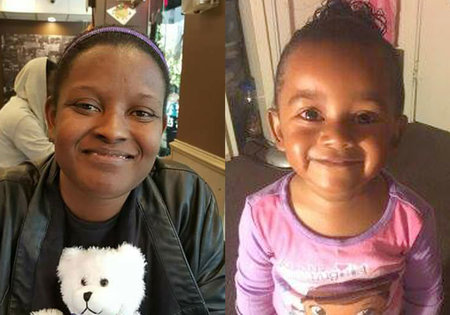
Nine-year-old girl Mackenzie Ocheltree lived with her parents, Thomas Ocheltree and Paula Truong, and her older sister Alexandra in San Francisco's Westwood Highlands neighborhood, in a tidy house on Monterey Boulevard that neighbors saw as just another quiet family home on a tree-lined street. She was enrolled at Sunset Elementary School, and people who encountered the family over the years remembered ordinary scenes: the girls playing in the garden, family dinners outdoors, and regular
outings with their dog, Mango, whose ears they liked to have dyed at a local groomer. To friends and neighbors, the family seemed warm but somewhat private, small-business owners who had run car-related ventures and coffee shops around the Bay Area.
Behind that façade, however, the adults in the household were under intense financial strain. Public records show a tangle of loans tied to their home, taken out over the years as they invested in ventures such as an auto repair shop, a liquor and wine store, and a small chain of Orbit Coffee cafés. Those businesses eventually shuttered, leaving mounting debts and a home that went through foreclosure proceedings, with the mortgage holder ultimately taking ownership while the family continued living there. Court records detailed credit card lawsuits and judgments against Truong, suggesting that their finances had been deteriorating for some time, even as their life outwardly resembled that of a typical middle-class family in an affluent, low-crime part of the city.
In early October 2025, concern from relatives turned into alarm when Thomas's brother could no longer reach him by phone. On the afternoon of October 8, he went to the house on Monterey Boulevard to check on them and, finding the situation troubling, contacted authorities and helped initiate a welfare check. When police entered the home, they discovered a scene that investigators would later describe as deeply disturbing: Thomas and his two children, including Mackenzie, lying in their beds, their bodies partially covered as if someone had tried to create a semblance of peaceful sleep. There were no obvious signs of a violent struggle in the rooms, adding to the haunting stillness of what officers found. Truong was discovered separately in the garage, hanging by the neck.
The investigation that followed relied heavily on the work of the San Francisco Medical Examiner's Office. Autopsy reports revealed that Thomas had suffered multiple gunshot wounds, including to his neck and chest, and that both children had been shot in the upper body while in bed. Mackenzie's official cause of death was a gunshot wound to the chest, while Alexandra was shot in the back. Toxicology tests indicated that each child appeared to have ingested medications with sedative properties before being killed. Truong, by contrast, had not been shot; she died from hanging in the garage. Forensic testing found gunshot residue on her body, and an investigator noted that a pistol was lying loosely in Thomas's hand on the bed, a detail that raised questions but ultimately fit into the broader conclusion that the shootings and subsequent hanging were part of a single, orchestrated event within the family home.
By November, after the autopsy findings were complete, authorities formally ruled the case a murder-suicide. The deaths of Thomas and the two children were classified as homicides caused by gunshot wounds, while Truong's was ruled a suicide by hanging. Police described the incident as an isolated tragedy with a clear, internal source, emphasizing that there was no ongoing threat to the public and indicating that no additional suspects were being sought. No arrests were made; the person believed to be responsible for the killings had died at the scene. Even as they declined to specify a definitive motive, investigators and reporters repeatedly pointed to the family's deepening financial crisis as a likely backdrop, if not a full explanation, for how such violence erupted inside the walls of what had appeared to be a stable household.
In the weeks that followed, Westwood Highlands and the wider San Francisco community grappled with the aftermath. Neighbors who had once noticed small oddities—trash cans left out longer than usual, less movement around the house—now replayed those details with a sense of dread, wondering if they had been early signs of catastrophe. At the schools the children attended, classmates and teachers mourned the loss of two students whose lives had been cut short without warning. An obituary remembered Mackenzie, her sister, and their father together, emphasizing family bonds and the joy they brought to relatives, while an online memorial page recorded Mackenzie's name among the countless victims of gun violence in the United States, inviting strangers to light virtual candles in her memory. The story of what happened inside that Monterey Boulevard home has since been cited in broader discussions of “family annihilation” cases—rare but devastating events in which a parent destroys the very family they once appeared to nurture—leaving behind only questions that cannot truly be answered and a neighborhood marked by the knowledge of what unfolded behind a closed front door.