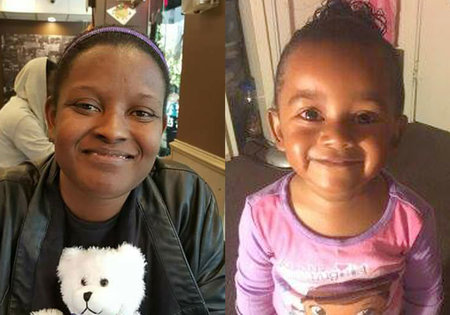
In a quiet, hilly corner of San Francisco’s Westwood Highlands neighborhood, Alexandra Ocheltree, a 12-year-old Asian American girl, lived with her parents, Thomas Ocheltree and Paula Truong, and her younger sister Mackenzie in a pale, well-kept house on Monterey Boulevard. Neighbors knew them as a reserved but friendly family who hosted garden dinners and put care into elaborate holiday light displays, the kind of household that blended into a prosperous hillside street where violence felt
distant and unlikely.
In early October 2025 that sense of normalcy fractured. Thomas’s brother, worried after days without contact, went to the house and found Paula at the door; she told him her husband was away on a golf trip and had misplaced his phone, an explanation that felt strange enough to linger in his mind. Two days later, still unable to reach his brother, he asked police for a welfare check. Officers came but no one answered, so the brother forced his way in through a garage side door. Inside, he found a scene that would haunt the neighborhood: Thomas and the two girls lying in their beds, partially covered, and Paula dead in the garage. Police and medics declared all four family members deceased, and the department’s homicide detail took over what was immediately described as a suspicious but isolated event, with officers noting there appeared to be a criminal element yet reassuring the public that there was no broader threat.
Weeks later, autopsy reports began to fill in the grim details. The medical examiner determined that Thomas and the two children had been shot and ruled their deaths homicides, while Paula’s death, the result of hanging, was ruled a suicide. A pistol was found loosely gripped in Thomas’s hand, but the physical evidence told a more complex story: Alexandra had been shot in the back as she lay in bed, her sister was shot in the chest, and their bodies showed early signs of decomposition. Toxicology tests revealed that both girls had a combination of sedating medications in their systems, including common sleep aids and pain relievers, while Paula’s blood contained antidepressants, painkillers and traces of the same sedative drugs. The pattern suggested that the children had likely been drugged before they were killed, and that Paula had also ingested medications before dying in the garage. On the strength of these findings, the deaths were officially classified as a murder-suicide within the family, though investigators have not publicly released a detailed step-by-step reconstruction of who fired the shots or in what exact sequence events unfolded.
Behind the front door of that house was a long, hidden struggle that may help explain how the family’s life unraveled. Friends and former business associates described Paula as a driven entrepreneur, the energy behind a string of ventures that ranged from an auto repair shop specializing in European cars to a craft coffee roastery and multiple Vietnamese coffee shops, as well as a high-end liquor and wine store branded as Starr Spirits. Over several years, those ventures faltered and closed, even as the couple repeatedly borrowed against their Monterey Boulevard home, layering loans and private debts on top of a large commercial mortgage. By 2023 the property had gone into foreclosure, and by early 2025 it had been sold at auction to a financial company, though the family continued to live there amid mounting lawsuits and credit-card debt that painted a picture of escalating financial distress.
There were other, more intimate glimpses into the pressure building inside the household. That spring, Paula invited a reporter from a local news outlet into the home to talk about her worries involving the children’s school, alleging safety issues and conflicts with staff. During that visit, the journalist met Thomas and Alexandra in the kitchen; the girl stayed largely silent while her parents spoke, a quiet presence at the edges of adult conversations about danger, responsibility and being heard. In retrospect, those messages and meetings now read like early signals of a mind under strain rather than the isolated concerns of an anxious parent. Neighbors later recalled that in the months before the deaths they saw less of the family coming and going, but nothing that clearly foreshadowed the violence that would follow.
In the aftermath, the investigation has focused not on tracking down an outside assailant but on understanding what happened inside the house and why. With the medical examiner’s ruling of murder-suicide and both parents dead, San Francisco police have not announced any arrests, nor have they said they are seeking additional suspects; public statements continue to frame the case as an isolated tragedy confined to one family. Community members, meanwhile, have gathered at vigils and online memorials to mourn the two sisters and their father as victims of gun violence, lighting candles on pages dedicated to Alexandra and the rest of the family and struggling to reconcile the memory of a “normal” household on a quiet hill with the reality that unfolded behind its closed blinds.