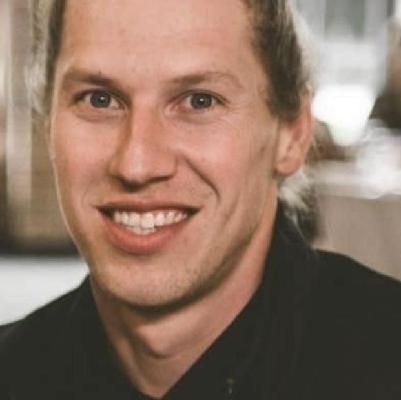
Julius Chapman, 38, a Black male, was found shot to death in downtown Cleveland in the predawn hours of June 20, 2025. Just after 3:30 a.m., first responders followed a distress call to the 700 block of West Superior Avenue in the Warehouse District, where they discovered him lying between two parked cars in a surface lot that sits between West 6th and West 9th streets.
He was pronounced dead at the scene, and evidence markers dotted the pavement as officers began the painstaking work of collecting shell casings and canvassing nearby businesses. The Cuyahoga County Medical Examiner later confirmed his identity, and the parking lot’s proximity to the nightlife hub amplified the shock as morning broke over a neighborhood still littered with crime-scene tape.
Through the day, investigators from the Cleveland Division of Police and the Cuyahoga County Sheriff’s Office pieced together a timeline shaped by surveillance checks and witness interviews outside Filter, a bar adjacent to the lot where Chapman had walked toward his vehicle moments before the gunfire. Reports from the scene noted more than a dozen evidence markers, a grim hint at the number of shots fired, while patrons and bystanders offered fragments of the night’s final minutes. The quiet of early morning made the echoes of violence feel starker, and the district’s merchants, who have long wrestled with safety concerns after late-night incidents, watched as detectives worked the perimeter and the corner gradually reopened to traffic.
In the weeks that followed, city filings about the nearby bar described surveillance footage showing the victim leaving Filter before an unknown person shot him in the lot, but authorities did not announce any arrests or name a suspect. News accounts at the time underscored that the investigation remained active, with police appealing for information while declining to discuss motive. Memorial pages that documented the loss fixed the date, place, and Chapman's age in the public record, even as the central questions—who fired the shots and why—went unanswered.
As summer moved on, the neighborhood carried the memory of that morning—squad lights splashing off brick facades, the lot cordoned, the hush that follows a burst of chaos—while detectives pressed on in a case that, to the public, has remained defined by absence: no named suspect, no arrest, only the enduring imprint of a life cut down amid the city’s nightlife corridors.