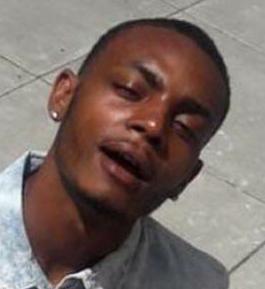
On February 4, 2011, Brian Villaflor, a 33-year-old Oakland resident, was shot and killed in the city. The circumstances surrounding Brian's death reflect a troubling trend in Oakland at the time, with violence and homicide rates remaining alarmingly high throughout 2011. His death was one of 103 homicides reported in Oakland that year. Most victims in the city during that period were young men, with many incidents occurring in economically disadvantaged neighborhoods of East and West Oakland. The violence was closely linked to the broader socioeconomic challenges faced by these communities.
Brian’s death was part of a broader pattern of violence in Oakland that often left families without answers. In 2011, the Oakland Police Department struggled with a low clearance rate for homicides, successfully solving only 23 of the 103 reported cases. This ongoing issue of unsolved crimes left the families of victims like Brian in a state of unresolved grief and frustration, while the community dealt with the consequences of unchecked violence. Efforts by community organizations and authorities to curb violence and bring justice to the victims' families faced many challenges, including resource constraints and systemic issues within the criminal justice system.
The community's reaction to the rising homicide rates highlighted the city's ongoing struggle with violence and the desire for effective solutions. Calls for economic development, increased social services, and a more community-focused approach were frequently made in response to the violence. The tragedy of Brian's death serves as a stark reminder of the human cost behind these statistics and the need for sustained efforts to reduce violence and bring peace to Oakland neighborhoods.