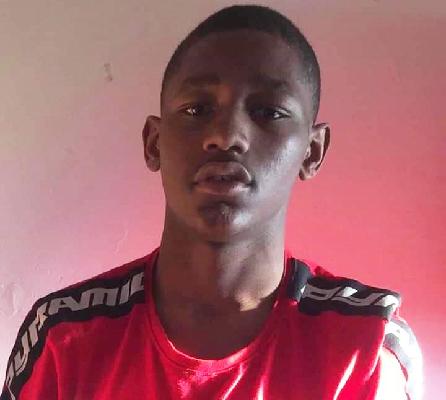
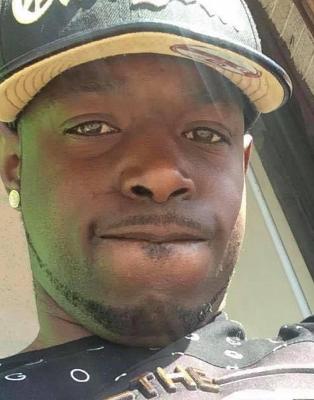
Brian Keith Meeks, 30, male, was found in the quiet, early hours of July 5, 2025, inside a residence on the 1000 block of North Lavergne Avenue in Chicago’s Austin neighborhood. Officers responding just before dawn discovered that Brian Keith Meeks had suffered a gunshot wound to the head and was pronounced dead at the scene. Records indicate he was from the 4800 block of West Iowa Street, not far from where he was killed, a detail that lent the scene the sad familiarity of home rather than
the anonymity of a street corner. Area Four detectives opened a homicide investigation as the neighborhood awoke to police tape and the low murmur of investigators cataloging a life cut short.
In the days that followed, his name appeared among the city’s tally of holiday-weekend victims, the kind of roll call that reads like a ledger of sudden endings. The basic facts held: a 30-year-old man found unresponsive, a bullet wound that allowed no chance at rescue, a home-turned-crime-scene in Austin. Citywide rundowns of the Fourth of July period folded the killing of Brian Keith Meeks into a broader picture of reduced—but still grievous—violence, a reminder that statistics can fall even as individual families face the same unbearable loss.
As of the initial reports and subsequent updates available from local outlets and memorial listings, no arrests had been announced in connection with the death of Brian Keith Meeks, and police had not publicly named a suspect or suspects. The case remained under investigation by Area Four detectives, with appeals for information standing in place of a narrative about accountability. His entry on victim memorial trackers simply marked the date, the city, and his age, spare lines that underscore how an open case leaves the story suspended—waiting for a name, an arrest, a reason.