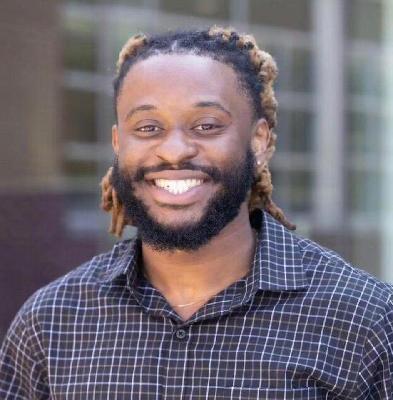
Isaiah Montez Lee, a 25-year-old Black male from Atlanta, Georgia, died on June 18, 2025. The public record surrounding his death is painfully thin, the kind of silence that can make a violent loss feel even heavier. What can be confirmed from online sources is that his death has been publicly remembered as a fatal gun violence case in Atlanta, and that the date was recorded the same day he passed.
An obituary and memorial listings place him in the city and preserve only the bare essentials of a life cut short, leaving behind more questions than answers and the unmistakable fact that another young man’s story ended in violence before it should have.
There is a starkness to the way Isaiah’s death appears online. His name surfaces in memorial and obituary records rather than in long, fully reported news accounts, which gives the case an unfinished, haunting quality. The available public entries do not paint a fuller picture of the moments leading up to the shooting, the neighborhood where it happened, or the circumstances that put him in harm’s way. Instead, they leave behind a brief trail: his name, his age, Atlanta as the setting, June 18, 2025 as the day, and the grim note that gunfire ended his life. In that sense, the record reads less like a complete case file and more like the outline of a tragedy that never received the kind of public explanation many families hope for.
As for the investigation, the online sources available in public view do not appear to identify an arrested suspect or suspects in Isaiah Lee’s death, and no publicly available reporting located here names anyone charged, tried, or convicted in connection with the case. There is also no clear public account in those sources describing whether police had announced persons of interest, released probable cause details, or provided a later investigative update. That absence is important in itself. It suggests that, at least in the public-facing record now available online, Isaiah’s death remains either unresolved or undocumented in a detailed way that would let outsiders follow the case from the shooting to an arrest and into court.
What remains, then, is the human weight of a life reduced online to a few surviving lines. Isaiah Montez Lee’s death is recorded, but the larger story around it is still largely hidden from public view. For the people who knew him, the day would not have felt brief or vague at all. It would have arrived with shock, phone calls, disbelief, and then the long ache that follows sudden violence. The public record may be spare, but the loss itself was not. It was the death of a young man in Atlanta on a June day, and the silence around the case only deepens the sense of something interrupted too soon.