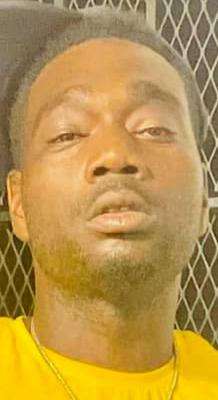
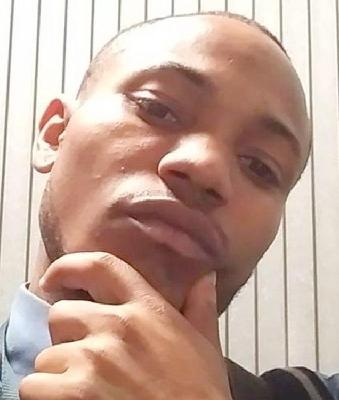
Michael King, 31, a Black male, was standing on the sidewalk in Chicago’s South Shore neighborhood when a white vehicle glided up to the 7400 block of South Kimbark Avenue just before 8 p.m. on Tuesday, September 9, 2025. Someone inside opened fire. Michael King, 31, collapsed and was rushed to the University of Chicago Medical Center, where he was pronounced dead. He lived on the same block, a familiar face in a place that suddenly felt unfamiliar after the gunfire faded.
Police marked the time at 7:55 p.m. and the escape route as the assailant’s car sped away, leaving only muzzle flashes and a trail of questions behind. In the immediate aftermath, authorities said no one was in custody and offered no motive. The sparse description—a white vehicle, shots from inside, a life cut down on the curb—was all that remained publicly known as night fell over South Shore.
By the next day, the victim’s name had been entered into regional and national rolls that memorialize lives lost to gun violence, confirming what neighbors and first responders already knew: Michael King, 31, had died in Chicago on September 9, 2025. Those listings echoed the essentials without adding clarity about who pulled the trigger or why. The case, like the car, remained out of reach.
Separate brief reports repeated the same outline—Michael King, 31, on the sidewalk; a white car; the burst of shots; the dash to the hospital—and they, too, ended in the same place: no arrests announced, no suspects named. The narrative held steady across outlets, a stark story with a beginning and an end, but no middle to explain it. Detectives had not publicly identified a suspect, and the search for answers continued beyond the edges of the crime tape.